
“Heated” and “unheated” are familiar descriptions in the sapphire trade, but they are easy to misunderstand. A heated sapphire is not automatically synthetic, artificial or fake. It can be a completely natural sapphire that formed in the earth and was later subjected to heat treatment.
The distinction is best understood as part of the gemstone’s treatment history. It tells us something important about what happened to the sapphire after it was mined, but it does not by itself tell us whether the stone is beautiful, whether its cut is good, or whether its colour will appeal to a particular person.
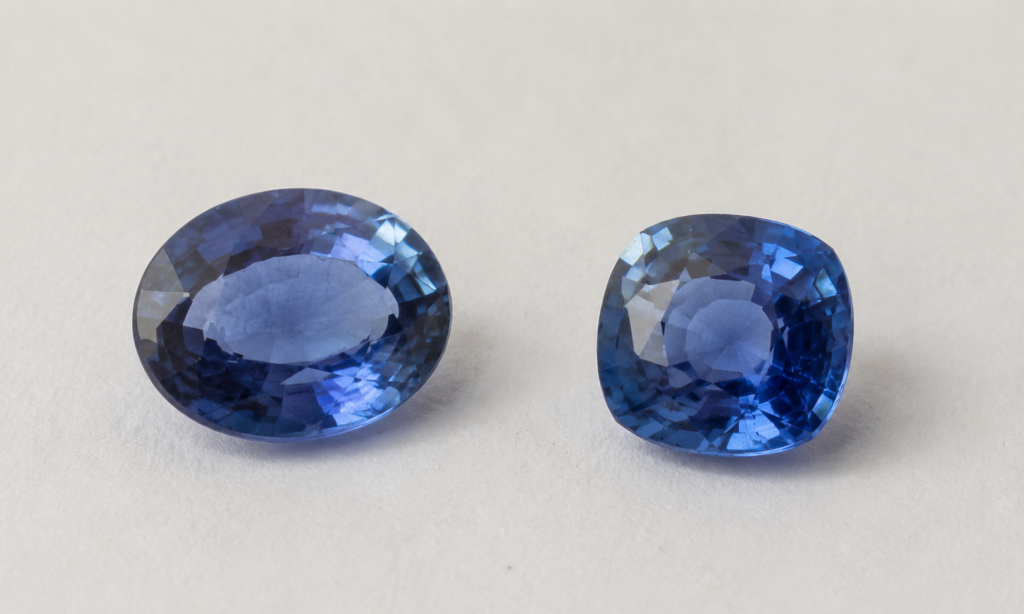
Heated Does Not Mean Synthetic
Three ideas are useful to keep separate: natural origin, treatment and laboratory growth. A natural sapphire formed through geological processes. If that natural stone is later heated, it remains a natural sapphire, but its treatment should be described appropriately. A laboratory-grown sapphire is different: the corundum itself was produced by humans rather than formed naturally.
| Description | Natural origin? | Treatment status |
|---|---|---|
| Natural sapphire — no indications of heating | Yes | No indications of heat detected by laboratory examination |
| Natural sapphire — heated | Yes | Evidence of heat treatment detected |
| Laboratory-grown sapphire | No | A different origin category; treatment, if any, is a separate question |
Why Is Sapphire Heated?
Heat treatment has long been used with ruby and sapphire to alter their appearance. Depending on the material and treatment conditions, heating can modify colour, reduce or alter visible internal features, improve transparency in some material, or change phenomena such as silk and asterism.
The result is not the same for every sapphire. Natural corundum from different geological environments contains different trace elements and internal characteristics, so the response to heating can vary. Some material changes significantly; other material may respond much less.
What Actually Happens During Heating?
A sapphire already contains the trace elements and structural characteristics that influence its colour and appearance. Heating can change the state or distribution of some of these components and can alter certain inclusions within the stone. As a result, the colour or apparent clarity may change.
Conventional heat treatment should not be imagined simply as painting colour onto the surface of a sapphire. However, not every treatment involving heat is the same. Treatments such as lattice diffusion use heat together with added chemical elements to change colour and are treated as a distinct disclosure category.
What Does “Unheated” Really Mean?
In everyday trade language, a sapphire may be called “unheated” or “no heat.” Laboratory wording is more precise. A gemological report may state that there are no indications of heating when the laboratory does not detect evidence of heat treatment during its examination.
That distinction matters. A laboratory is reporting the conclusion supported by the evidence available from the gemstone; it is not watching the entire history of the sapphire from the moment it formed in nature.
No-heat status also does not mean that the sapphire must have stronger colour, higher clarity, better cutting or a more desirable appearance than a heated stone. It describes treatment history, not a grade of beauty.
Unheated describes treatment history, not a standard of beauty.
Can You See the Difference?
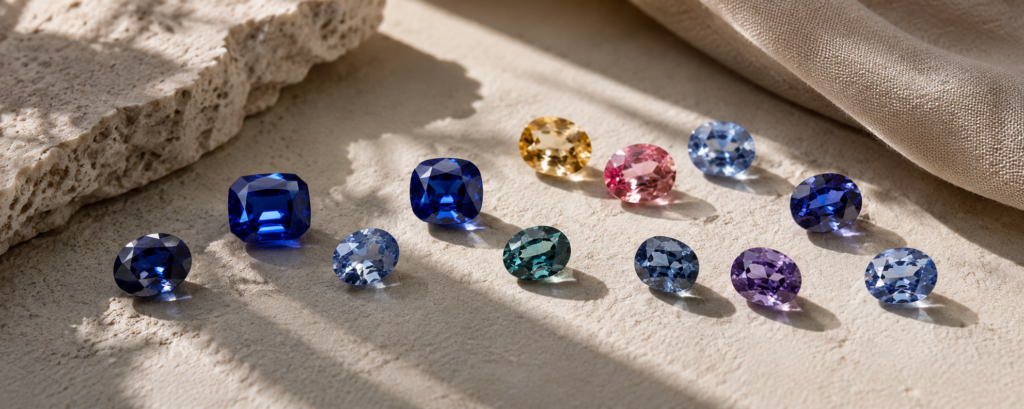
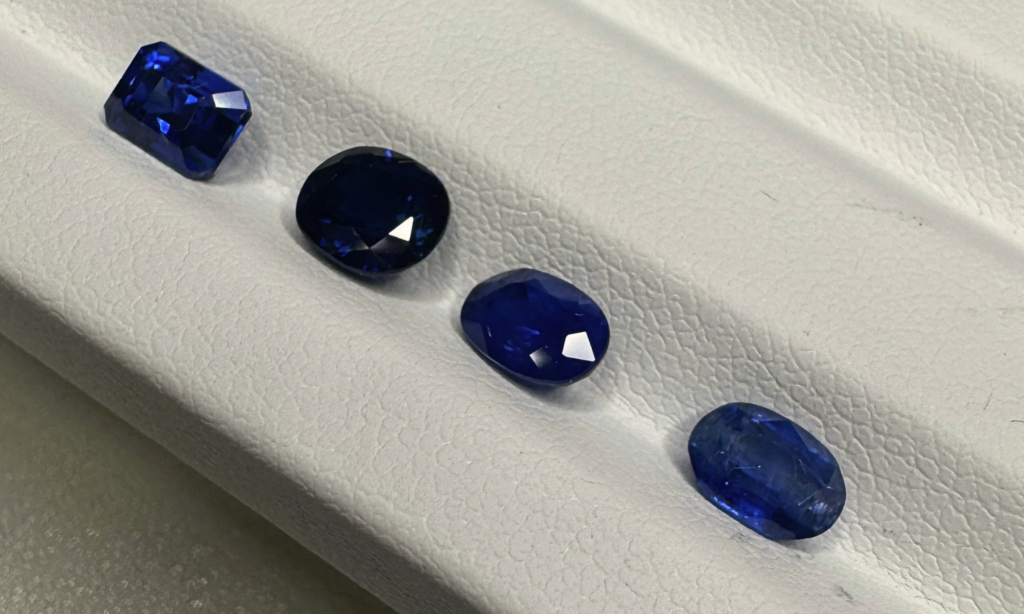
Not reliably with the naked eye. A heated sapphire can have beautiful colour and a natural-looking appearance. An unheated sapphire can be light, dark, included, transparent or visually clean. The same range of ordinary visual qualities can occur on either side of the treatment distinction.
This is why treatment status should not be guessed from how attractive, vivid or “natural” a sapphire appears in a photograph or in the hand.
How Does a Laboratory Know?
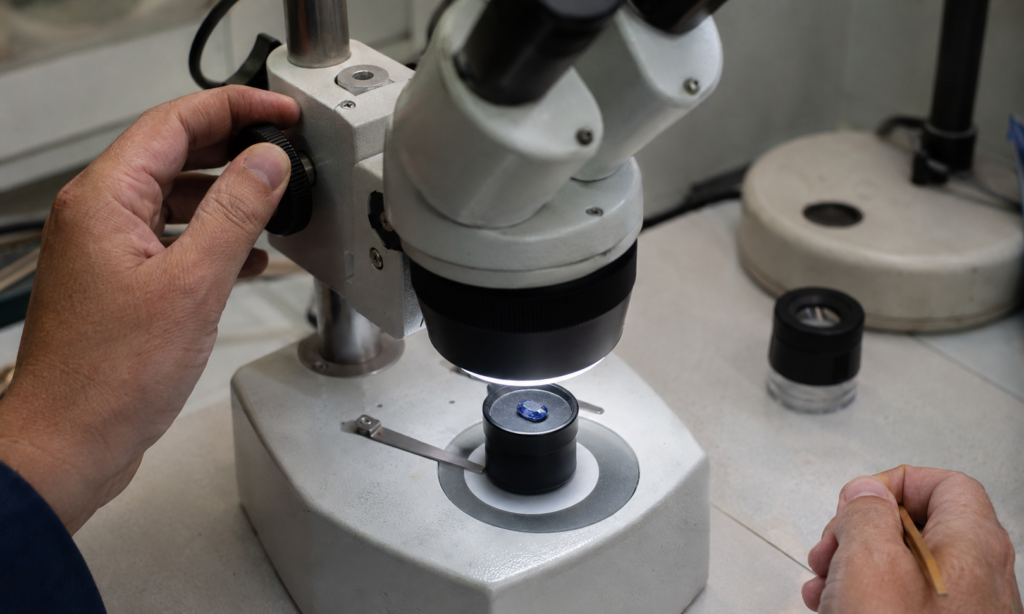
Gemological laboratories examine evidence within the sapphire rather than judging treatment from colour alone. Microscopic features can provide important clues because heating may alter mineral inclusions, fine needles and other internal characteristics. Laboratories can also use analytical techniques, including spectroscopy, when additional evidence is needed.
Detection is a specialist task. Some heating conditions may leave clearer evidence than others, and interpretation can depend on the material. This is one reason an independent laboratory report becomes particularly useful when treatment status materially affects a buying decision or the value of a stone.
Why Can Unheated Sapphire Cost More?
For fine-quality sapphire, independent confirmation that there is no evidence of heat can add rarity and value. The important idea is the combination. A desirable sapphire that also has confirmed no-heat status may be scarcer in the market than comparable material whose appearance has been modified by heat.
That does not mean every unheated sapphire is automatically more valuable than every heated sapphire. Colour, size, transparency, cut, origin in some cases, overall appearance and market demand continue to matter. No-heat status is one part of the stone’s story rather than a universal price ranking.
Rarity can influence price. It does not decide what you have to find beautiful.
Heated Does Not Always Mean the Same Thing
The word “heated” is useful, but sapphire treatments are broader than a simple heated-versus-unheated divide. Conventional heating can be performed under different conditions and for different effects. Other treatments may involve additional processes or substances and require different disclosure.
Lattice diffusion is one example. It uses heat and chemicals to diffuse colour-causing elements into sapphire and change its colour. Depending on the process, treated colour may be concentrated near the surface or penetrate more deeply. This is different from conventional heat treatment without the addition of colour-causing chemicals.
For this reason, the most useful question is not simply “Has it been treated?” but “What treatment has been identified?”
So, Should You Choose Heated or Unheated?
There is no answer that applies to everyone. A heated sapphire may be completely appropriate if you love the individual stone and are comfortable with its disclosed treatment. It can also open a wider range of colours, sizes and price points.
An unheated sapphire may have particular meaning if natural treatment history and rarity are important parts of what you appreciate about a gemstone. For significant no-heat claims, laboratory confirmation provides much stronger information than appearance or seller assumption alone.
Neither choice requires a stereotype. Heated sapphire is not only for one kind of buyer, and unheated sapphire is not only for collectors. Two people can understand the same treatment information and reasonably choose different stones.
What Matters Is Knowing What You Are Buying
Treatment information is most useful when it is clear. If a sapphire is known to be heated, it should be represented as heated. If a laboratory reports no indications of heating, that conclusion can be stated with the report. If treatment status has not been established, it should not be presented with greater certainty than the available evidence supports.
A heated natural sapphire does not need to be described as unheated to be worth appreciating. An unheated sapphire does not need to be called universally better for its rarity to have meaning. Understanding the difference allows treatment history, appearance and personal value to remain separate questions.