Fire opal reveals a side of opal that can surprise anyone expecting shifting rainbow colour. Some stones glow in transparent yellow, orange or reddish tones without displaying play-of-colour at all. In these opals, the warmth is already present in the body colour of the gemstone.
Fire opal does not need a rainbow to look alive. Sometimes the fire is already in the colour itself.
First, What Makes an Opal a Fire Opal?
Fire opal is still opal—hydrated silica—but its visual identity is strongly connected with warm body colour. It is generally transparent to translucent and can show yellow, orange, red and sometimes brown body colours.
This introduces an important distinction. Body colour is the underlying colour of the material itself. Play-of-colour is the separate optical phenomenon created when ordered microscopic silica structures interact with light. A fire opal can show one, or both.
Yellow, Orange and Red Are Not Steps on a Ladder
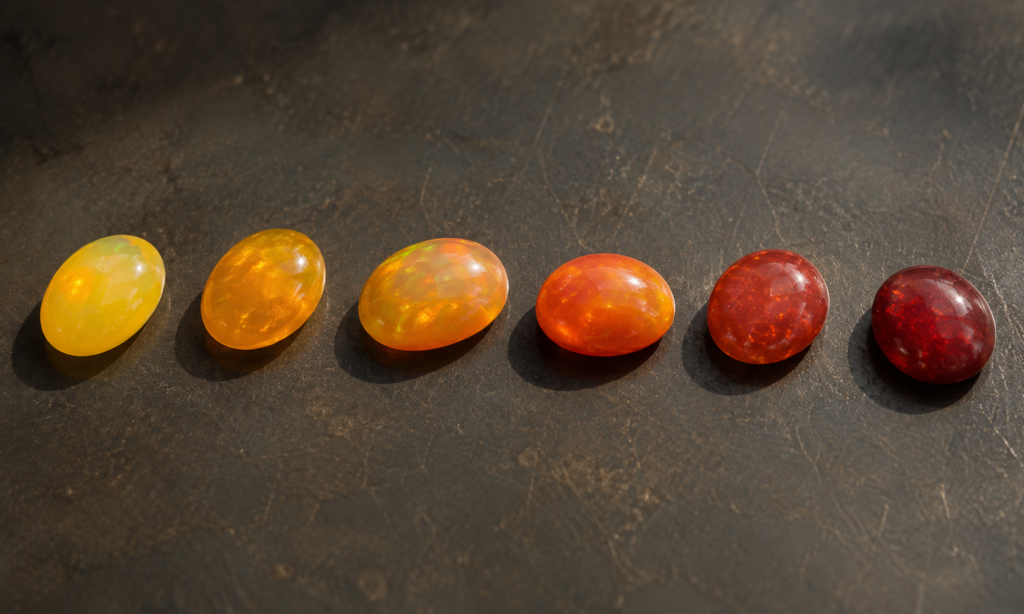
Fire opal can move through a broad warm spectrum: pale yellow, golden yellow, yellow-orange, vivid orange, reddish orange and, in some material, deeper red. Mexican deposits in particular have produced material across a remarkably wide range.
These colours should not be treated as steps toward one ideal endpoint. A lighter yellow can feel bright and open, vivid orange can have concentrated warmth, while reddish material creates a deeper visual presence. Tone and transparency change the experience again.
Body Colour and Play-of-Colour Are Different Things
This is perhaps the most useful idea for understanding fire opal. The yellow, orange or red we see as its body colour is not the same phenomenon as the spectral flashes associated with precious opal.
Many fire opals do not show play-of-colour, and that absence does not mean something is missing. Their character can come from warm body colour, transparency, depth and the way light passes through the material.
In many fire opals, the colour is not an optical effect waiting to appear. It is already the body of the gemstone.
When Fire Opal Also Has Play-of-Colour
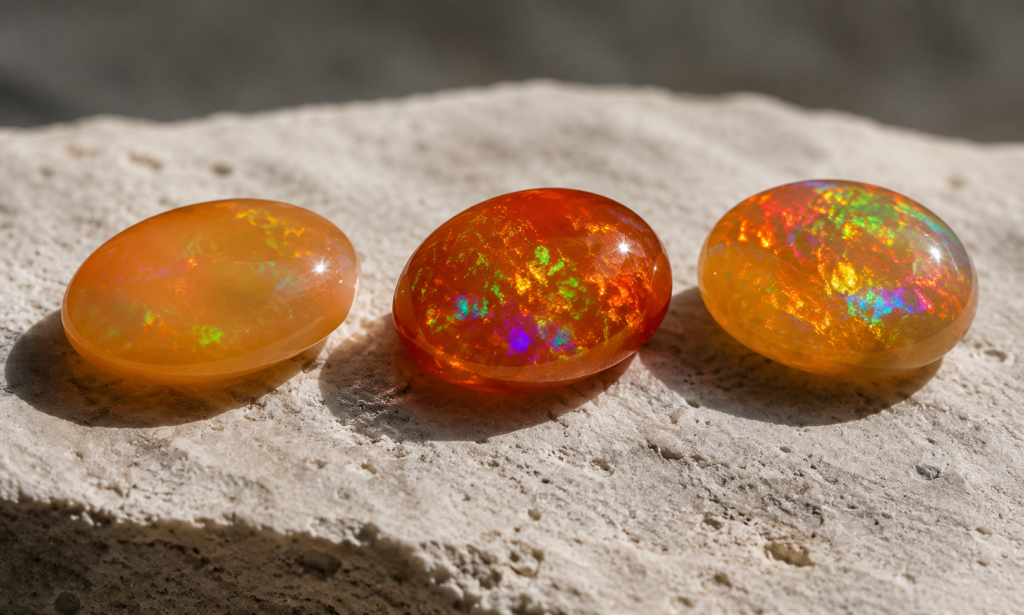
Some fire opals bring the two colour stories together. A warm yellow, orange or reddish body can become the background for flashes of green, blue, yellow, red or other spectral colours.
When play-of-colour is present, the gemstone offers two visual layers: its warm underlying colour and the changing optical colours produced by its internal structure. This is a different experience rather than an automatically superior one.
Transparency Changes the Feeling of Fire
Fire opal is often transparent to translucent, and this can dramatically change how its warmth feels. In clearer material, yellow or orange can seem illuminated from within as light travels through the gemstone. More translucent material can create a softer or denser glow.
Neither expression needs to be treated as the correct one. Sometimes fire opal seems to hold orange; in other stones, it seems to let orange light pass through it.
Why Some Fire Opals Are Faceted
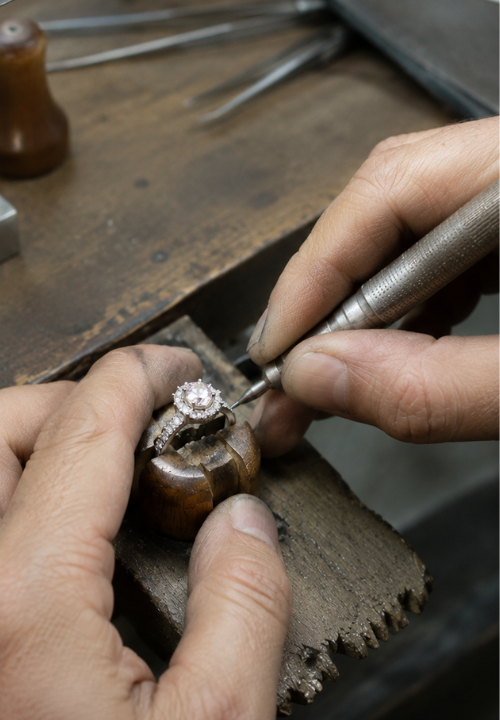
The transparency of some fire opal creates possibilities that differ from the familiar cabochon language of many other opals. Clear material without play-of-colour can be faceted, allowing cutters to work with reflections, depth and body colour in ways familiar from transparent coloured gemstones.
This can produce ovals, cushions, pears and other faceted forms. Fire opal therefore occupies an unusual visual space: unmistakably part of the opal family, yet sometimes presented more like a transparent faceted gemstone than a classic rainbow-flashing cabochon.
Mexico and the Fire Opal Story
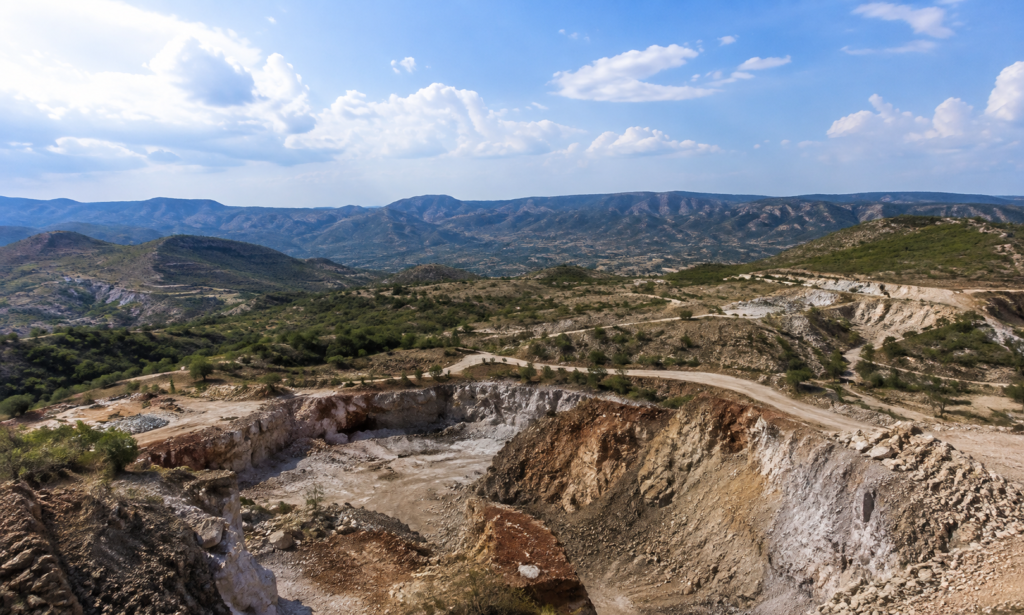
Mexico has one of the strongest historical and commercial associations with fire opal. Mexican material is especially known for warm yellow, orange and reddish body colours, including transparent material suitable for faceting, and the term “Mexican fire opal” is familiar in the gem trade.
Mexico is important to the story, but it is not the definition of fire opal itself. Fire opal describes the material and its warm appearance rather than functioning as a geographic passport. Individual stones still need to be understood on their own.
Mexico helped give fire opal its most famous identity, but the name describes the gemstone before it describes a passport.
Fire Opal Can Look Almost Like Another Gemstone
A transparent vivid-orange fire opal can challenge the usual visual idea of opal. If it is faceted and shows no play-of-colour, it may lack the milky background, cabochon form and moving rainbow flashes many people associate with the name.
Yet its material identity remains opal. This contrast shows how one gemstone family can contain very different visual languages—from translucent cabochons animated by spectral colour to transparent orange gems shaped with facets.
Warm Colour Does Not Have to Be Loud
The word “fire” can suggest that every fire opal should be intensely saturated orange or red. In reality, the warm spectrum also includes softer yellow, golden and lighter orange appearances. Transparency can make these gentler colours feel luminous rather than weak.
Deeper orange and reddish stones create another mood entirely. Understanding this range is not about deciding which colour wins, but recognizing how much personality exists inside the category.
Fire can be vivid, but it can also glow quietly.
Fire Opal Changes What We Think an Opal Should Be
The wider opal story teaches us about play-of-colour: microscopic structure interacting with light to create shifting spectral flashes. Fire opal expands that story by showing how compelling opal can also be through body colour, transparency and faceting.
Some fire opals remain vividly warm without a rainbow flash. Others combine warm colour with moving spectral effects. Looking at them as different expressions, rather than incomplete and complete versions of the same idea, makes the category much more interesting.
When the Fire Is Already in the Stone
Fire opal reveals a side of opal that does not always need shifting rainbow colour to feel alive. Its yellows, oranges and reds can glow through transparent material, deepen into richer warmth, or occasionally become a stage for play-of-colour of their own.
Some fire opals move with spectral flashes; others remain quietly and vividly warm. Both belong to the same story. Sometimes light creates the colour. In fire opal, sometimes the fire is already there.