
Few sapphire origins carry as much historical recognition in the gemstone trade as Burma, now Myanmar. The name is closely associated with Mogok, a gem-producing region known for ruby, sapphire, spinel and other coloured stones, and fine Burmese sapphires have been valued in the trade for centuries.
That reputation is meaningful, but it needs context. Burmese origin does not define one shade of blue, guarantee exceptional quality or tell us whether an individual sapphire will appeal to a particular person. A famous origin and the appearance of the stone are related parts of its story, not the same thing.
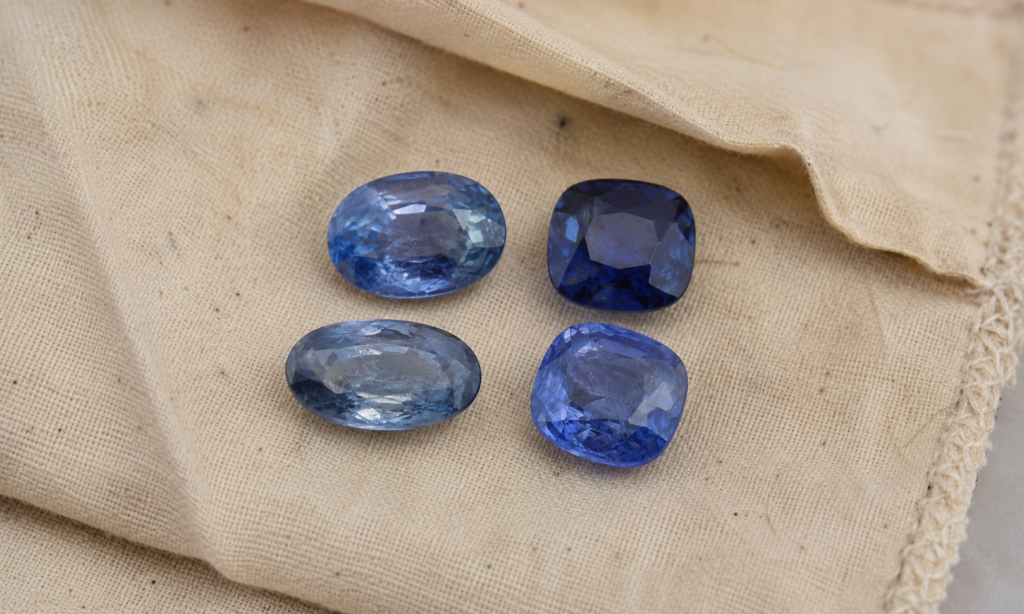
What Does “Burmese Sapphire” Mean?
Burma is the former official English name of the country now called Myanmar, and both names continue to appear in gemstone literature and trade language. When a sapphire is described as Burmese, the description refers to geographic origin: the stone is considered to have come from Myanmar.
It is not a separate mineral variety, a colour grade or a treatment category. “Burmese” and terms such as “Royal Blue” answer different questions. One refers to where the sapphire came from; the other, when used under a particular trade or laboratory system, describes aspects of colour.
Mogok and the Reputation of Burmese Sapphire
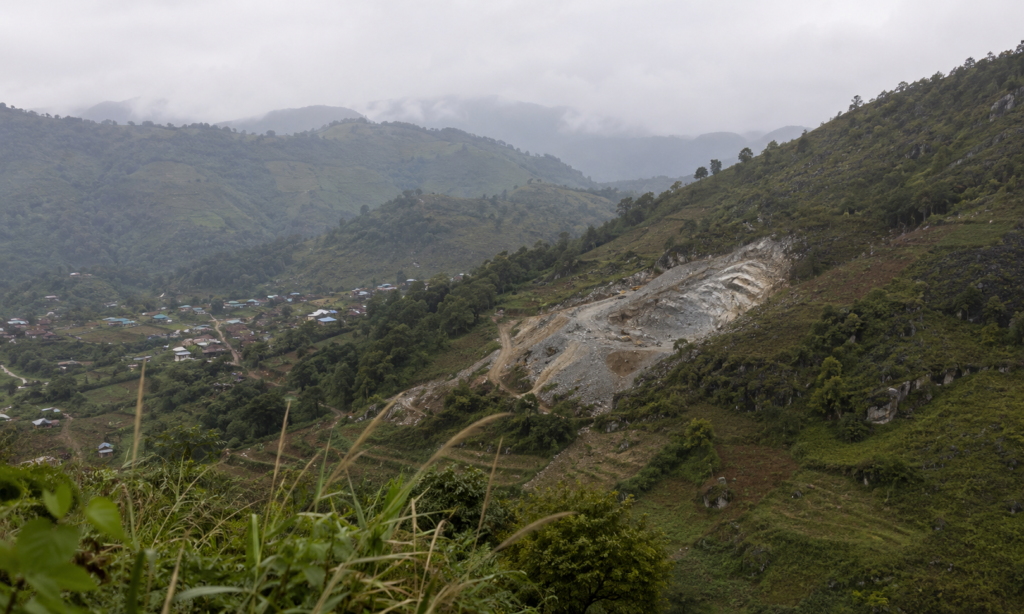
Much of the historical reputation of Burmese sapphire is connected with the Mogok Stone Tract in central Myanmar. Mogok is one of the classic coloured-stone localities and has produced ruby, sapphire and spinel over a long period of gemstone history.
GIA describes Myanmar as one of the world’s oldest sources of fine corundum and notes that high-grade blue sapphires from Mogok helped establish the source’s legendary status. Sapphire occurs in different parts of the Mogok region, however, and material from individual mining areas can show variation.
It is also useful not to treat “Myanmar” and “Mogok” as interchangeable. A country-of-origin conclusion identifies Myanmar; it does not automatically identify one particular mine or locality within the country.
Is There a Typical “Burmese Blue”?
Fine Burmese sapphires are sometimes described in the trade through particular colour impressions, but the origin itself does not create a single Burmese-blue standard.
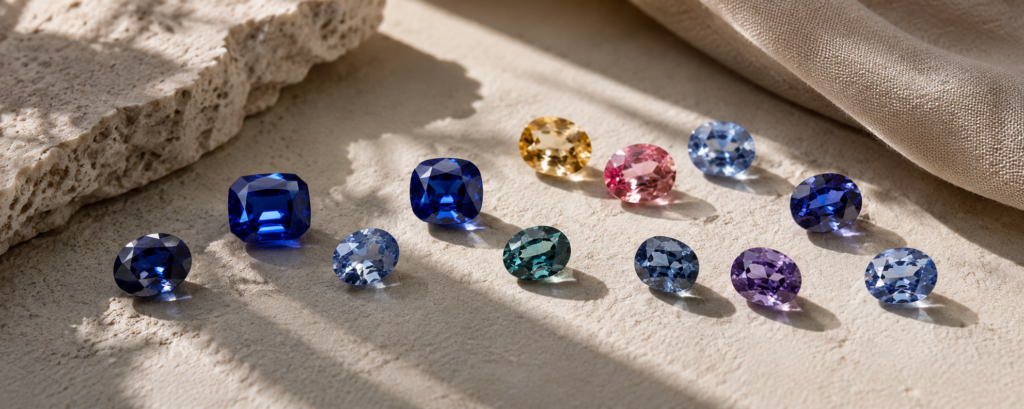
GIA’s study of blue sapphires collected from Mogok found a wide range of blue colour intensities, from very pale to strongly saturated material. Research on samples from different parts of Mogok also records variation within the region.
This is an important distinction. A sapphire should not be assigned Burmese origin simply because its colour resembles a familiar trade image of Burmese material, and a confirmed Burmese sapphire does not need to match that stereotype.
A famous origin can have a recognisable reputation without every stone from that origin looking the same.
How Did the Reputation Become So Strong?
Gemstone origins acquire reputations over time. In the case of Burmese sapphire, several things have reinforced one another: a long mining history, the presence of exceptional high-grade material, sustained recognition within the gemstone trade and collector interest in important stones from classic sources.
But a source reputation is built from notable material observed over many years. It should not be transferred automatically to every sapphire carrying the same origin. GIA makes the same point from a value perspective: every mine produces a range of quality, even though an independently established origin can add value to exceptional stones.
What Does “Rare” Mean for Burmese Sapphire?
Calling Burmese sapphire simply “rare” can hide an important distinction. Myanmar-origin sapphire exists in the market, and not every stone from the country is equally scarce.
Rarity becomes more meaningful when several characteristics come together. A sapphire may become substantially harder to replace when it combines documented Myanmar origin with an especially desirable appearance, significant size, suitable clarity and no evidence of heat treatment.
The origin is therefore one part of rarity rather than the entire explanation. The more specific the combination of characteristics we require, the smaller the pool of comparable stones can become.
Burmese Does Not Mean Unheated
A Myanmar origin conclusion and a treatment conclusion answer separate questions. Burmese sapphires can be encountered with evidence of heating as well as with no evidence of heat treatment.
For fine-quality sapphire, confirmation that no evidence of heat is present can contribute to rarity and market value, but “unheated” is not a synonym for “beautiful.” Treatment history adds information about the stone; it does not replace looking at its colour, cut, clarity and overall appearance.
Can You Recognise Burmese Sapphire by Eye?
Not reliably from face-up appearance alone.
Myanmar, Sri Lanka, Madagascar and Kashmir all produce metamorphic blue sapphires, and their gemological characteristics can overlap. A rich blue, a particular type of silk or another single visual clue is not enough on its own to establish geographic origin.
This is why statements such as “this colour looks Burmese” are better understood as trade impressions than as origin determinations.
How Laboratories Approach Burmese Origin
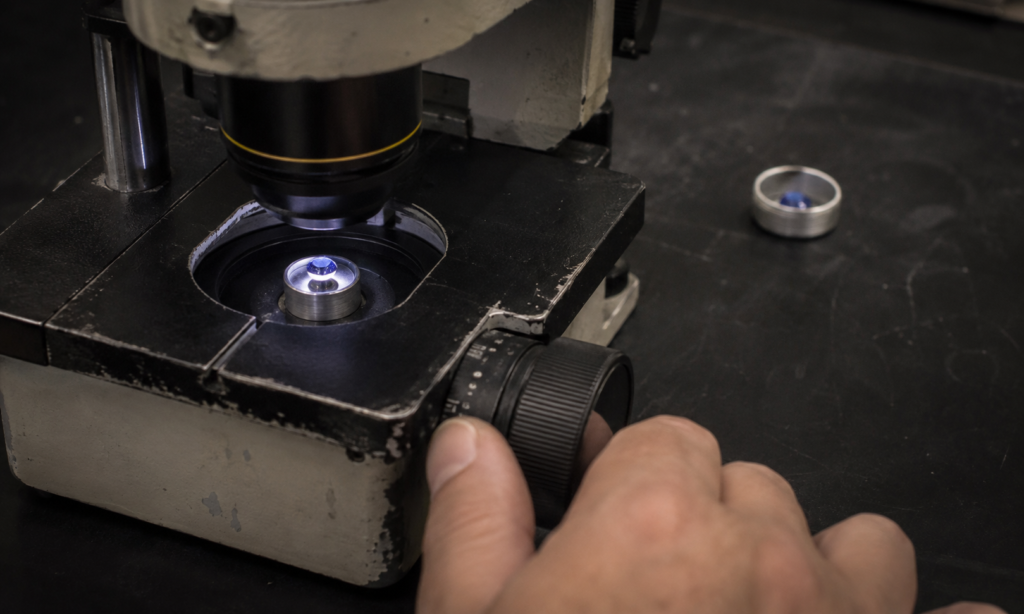
Geographic origin determination brings several types of evidence together. GIA examines microscopic inclusions, spectroscopy and trace-element chemistry, then compares the observations with a reference collection of sapphires whose provenance is known as reliably as possible.
Some Burmese sapphires show inclusion scenes that strongly support Myanmar origin. Research on Mogok material has documented features including rutile silk and twinning, while modern chemical and spectroscopic analysis provide additional evidence.
Even with these tools, origin is not always conclusive. GIA has documented cases in which inclusion observations, chemistry and spectroscopy still overlap among Sri Lanka, Myanmar and Madagascar. In such a case, an inconclusive result is more appropriate than forcing a country name onto the stone.
Does Burmese Origin Add Value?
It can, particularly for fine sapphires where an independent laboratory supports the geographic origin. Classic sources carry history and collector recognition, and the market can place additional value on that provenance.
But the word “Burma” does not override the gemstone itself. Colour, clarity, cut, size, treatment, rarity and overall appearance continue to matter. An exceptional sapphire from another origin can be more desirable than an ordinary Burmese sapphire, depending on the stones being compared and the preferences of the person choosing them.
Origin can influence the market. Appearance still belongs to the individual stone.
Reputation and Personal Preference
Imagine two sapphires. One has documented Myanmar origin and no evidence of heating, but its colour feels too deep for your taste. Another comes from a different origin and has been heated, yet its colour and brightness are exactly what you enjoy.
Gemology can explain the differences between those stones. The market can also value their rarity and provenance differently. Neither tells you that you are required to prefer the Burmese sapphire.
Origin, treatment and rarity are useful information. Personal preference answers a different question: which individual gemstone do you actually want to see and wear?
Burmese sapphire has an important place in gemstone history, shaped in large part by Mogok and by exceptional material that has reached the market over generations. That history can add provenance, rarity and commercial significance to an individual sapphire.
But a famous origin is context, not a verdict. A laboratory can help establish where a sapphire belongs geographically; the stone in front of us still has to stand on its own.