
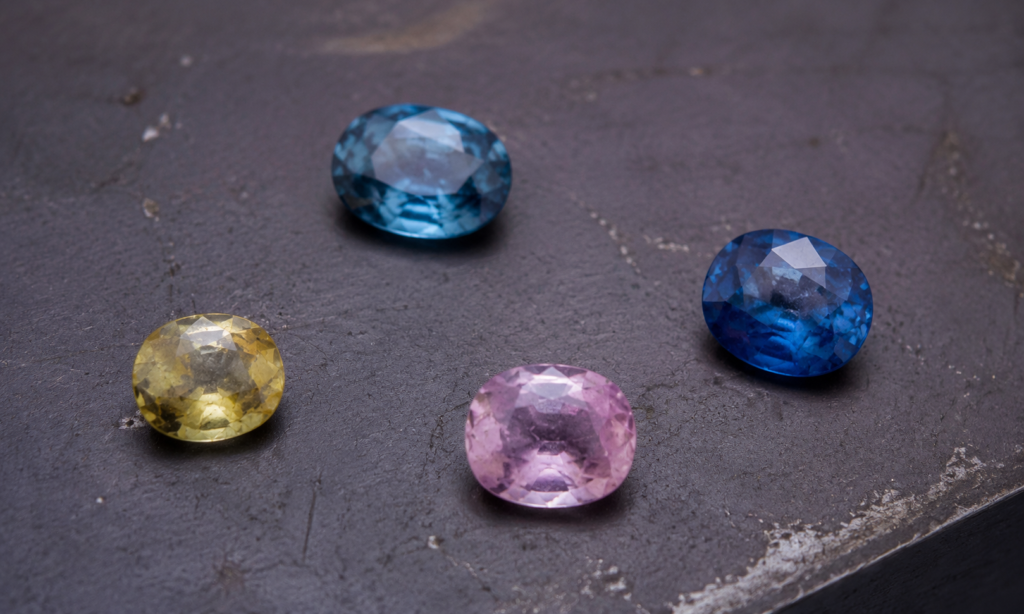
Madagascar is one of the most important modern sources of sapphire, but the name can be misleading if we expect it to describe one particular look. The island contains several corundum-producing regions formed in different geological environments, and their sapphires can range from familiar blues to green, yellow, pink, parti-colour and other fancy colours.
Within the trade, certain appearances can still create an immediate impression. Some blue sapphires from Madagascar show a noticeable green influence, while some Madagascar rubies are remembered for brighter pinkish-red or slightly orangy-red colours. These observations can be useful—but they are tendencies within a remarkably varied source, not rules for identifying origin.
Madagascar Is Not One Sapphire Deposit
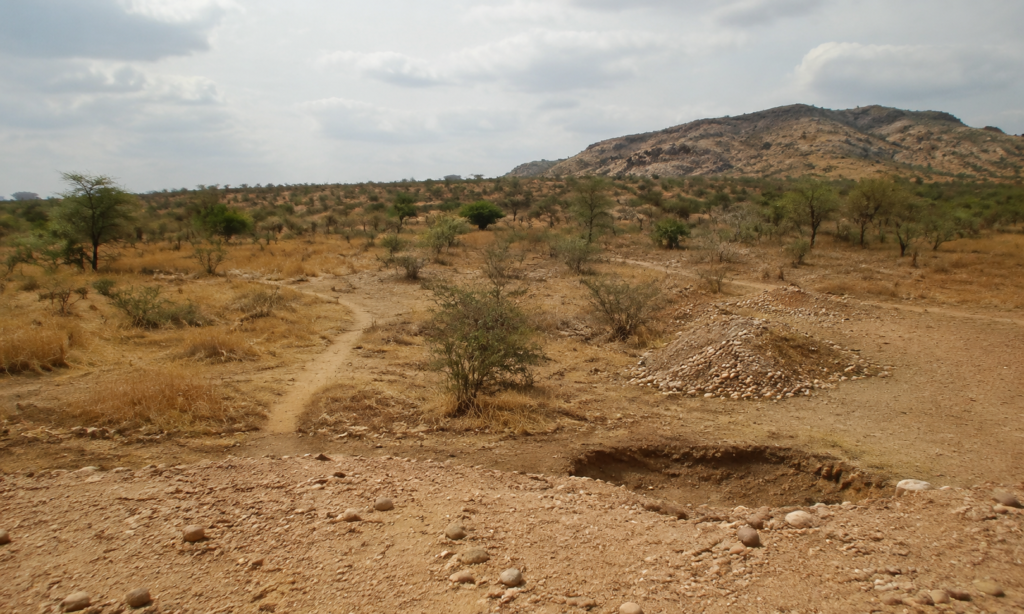
Madagascar contains multiple sapphire-producing areas rather than one geological source. This matters because different parts of the island can produce different types of corundum.
In the far north, around areas such as Diego-Suarez, sapphire is associated with basaltic or magmatic geology. GIA notes that material from northern Madagascar commonly includes blue, green and rich yellow stones, sometimes with more than one colour in the same sapphire.
Much of the important sapphire from southern and eastern Madagascar is metamorphic. The vast Ilakaka-Sakaraha fields in the south produce blue and fancy-colour sapphire, while discoveries in areas such as Didy and Bemainty in the northeast have produced fine blue sapphire and other corundum. Two stones carrying the same country-of-origin conclusion can therefore come from very different parts of Madagascar and need not share the same visual character.
The Blue-Green Character Traders Often Associate with Madagascar
In day-to-day gemstone trading, a blue sapphire with a greenish influence can make an experienced dealer consider Madagascar among the possible origins. This association is especially understandable because Madagascar produces both metamorphic and basalt-related sapphires, and GIA documents blue and green material from its northern basaltic deposits.
But the association should not become a definition. Madagascar blue sapphire does not mean greenish blue. Some stones show the green component clearly, some only subtly, and others present a blue appearance that overlaps strongly with material from classic metamorphic sources.
A greenish influence may make a trader think of Madagascar. It does not make the origin Madagascar.
Madagascar Can Also Look Surprisingly “Classic”
One of the most important lessons Madagascar brought to modern sapphire gemology is how unreliable a simple origin stereotype can be.
GIA has documented Madagascar sapphires whose inclusions resemble material from Sri Lanka or Myanmar, and stones from Bemainty whose appearance initially created confusion with Kashmir sapphire. Ilakaka material can also resemble Sri Lankan sapphire in colour and internal features.
This does not mean those origins are indistinguishable in every case. It means a Madagascar sapphire can sometimes sit well outside the appearance a trader might casually think of as “Madagascar.”
Colour Beyond Blue
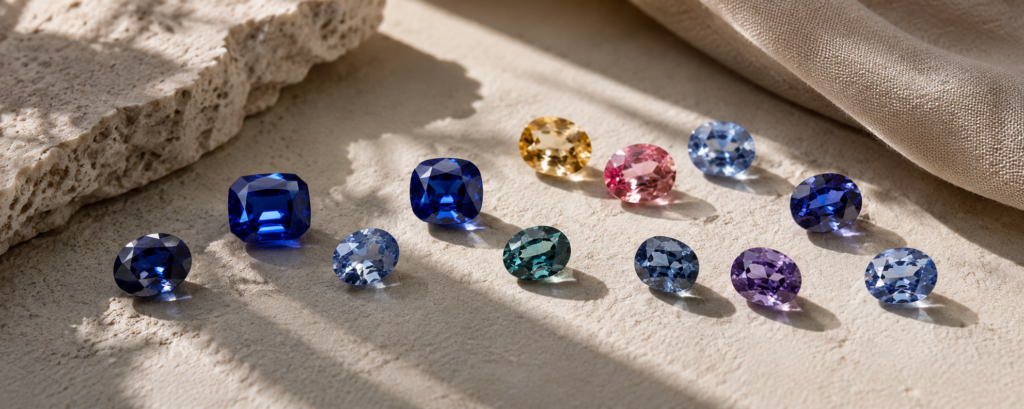
Blue is only part of Madagascar’s sapphire story. Ilakaka-Sakaraha became known for large volumes of both blue and fancy-colour sapphire, and other regions produce pink, yellow, green, orange-pink, parti-colour and polychrome material.
This variety is one reason the country is difficult to reduce to a single trade image. A Madagascar origin can sit behind a cool blue stone, a mixed blue-green sapphire, a delicate pink, a yellow or a stone with several colours sharing the same crystal.
And What About Madagascar Ruby?
Madagascar is also an important ruby source, particularly in the eastern and northeastern parts of the island. Here too, the material is varied.
Some Madagascar rubies have the brighter, more open red character that traders may informally describe as “sweet.” Gemological literature supports the broader observation behind that impression: GIA has documented desirable pinkish-red to red material from Vatomandry and bright, slightly orangy-red material among fine examples from Andilamena. Other Madagascar deposits can produce deeper, purplish, orangy-red or more heavily included material.
“Sweet colour” is therefore useful as trade language for an impression, not as a laboratory colour grade and certainly not as a definition of Madagascar ruby. Just as with sapphire, the country produces a range rather than a single recipe.
Trade language can describe what a stone reminds us of. It should not be mistaken for a geographic test.
Why Appearance Alone Becomes Difficult
For someone who handles gemstones regularly, visual associations are not meaningless. Colour, zoning, inclusions and overall character can suggest where to look first. The problem begins when a useful first impression becomes a conclusion.
Madagascar is particularly good at demonstrating this limitation. GIA’s reference work shows that metamorphic blue sapphires from Madagascar can overlap substantially with Sri Lanka and Myanmar, while some examples can show Kashmir-like inclusion scenes. Even trace-element chemistry can occupy overlapping fields.
In other words, a dealer may reasonably say that a stone “looks Madagascar” based on experience. That is different from saying that its origin has been established.
How Laboratories Approach Madagascar Origin
Laboratories combine several lines of evidence. They examine microscopic inclusions, trace-element chemistry and spectroscopic features, then compare the results with reference stones whose provenance is known as reliably as possible.
The geological type is also important. A basalt-related sapphire from northern Madagascar presents a different origin problem from a metamorphic sapphire from another part of the country. For metamorphic blue sapphire in particular, overlap between Madagascar, Sri Lanka, Myanmar and Kashmir can be substantial enough that some stones cannot be assigned a conclusive geographic origin.
An inconclusive result does not mean the laboratory found nothing. It means the evidence available from that individual stone is not strong enough to justify choosing one origin over another.
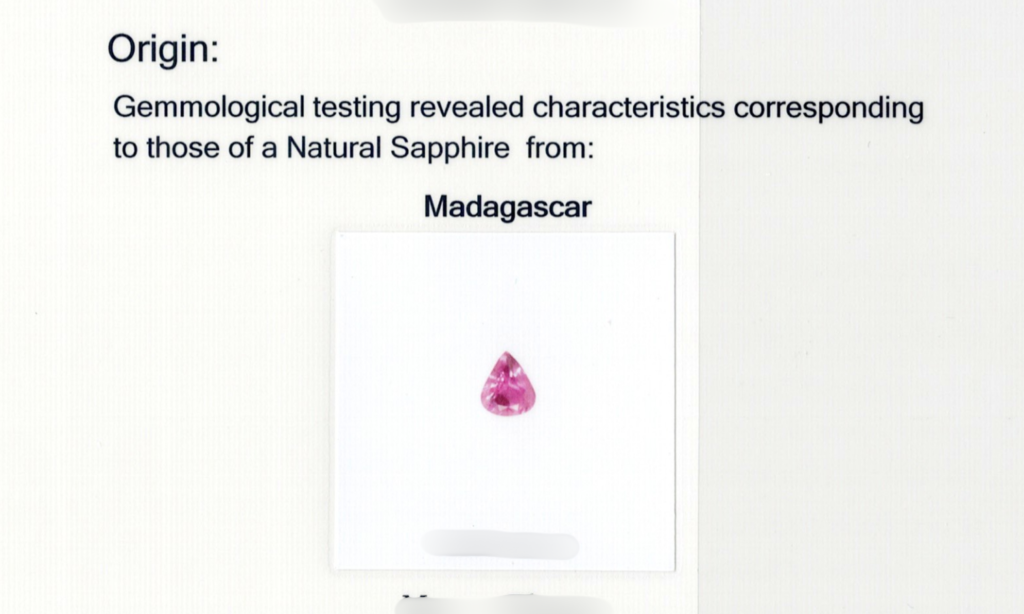
[IMAGE PLACEHOLDER — IMAGE showing an independent laboratory report with Madagascar listed as sapphire origin alongside, where available, a genuine photomicrograph or reference image from documented Madagascar sapphire; purpose: contrast trade perception with evidence-based origin determination and show that laboratories use multiple observations rather than colour alone; obscure owner or report-identifying information where appropriate]
Heated and Unheated Madagascar Sapphire
Madagascar sapphire can be encountered both with and without evidence of heat treatment. Geographic origin and treatment status are separate conclusions.
Heat is particularly relevant to Madagascar because some deposits have produced material that responds significantly to treatment. GIA research on sapphires from Ilakaka, Bemainty and Andranondambo demonstrates how heating can alter colour and internal features in suitable stones.
This is another reason not to memorise a single visual formula for origin: the appearance of the finished sapphire reflects not only where it formed, but also the individual rough, its cut and, when applicable, its treatment history.
Madagascar and the Modern Sapphire Market
Madagascar’s rise is relatively recent compared with the centuries-old reputations of Sri Lanka and Myanmar. The discovery near Ilakaka in the late 1990s rapidly transformed the region into one of the world’s major sapphire-producing areas, while later discoveries elsewhere on the island continued to bring new material to the international market.
Its importance should not be understood as being merely an alternative to a “classic” origin. GIA notes that Madagascar itself produces top-quality sapphire, and its deposits have expanded the range of colours, appearances and geological types available in the modern market.
Choosing the Stone, Not the Stereotype
If you enjoy a blue sapphire with a subtle green influence, that character can be part of what makes a stone interesting rather than something that needs to be corrected. If you prefer a cleaner blue without an obvious green component, Madagascar should not automatically be excluded; the country also produces stones with very different appearances.
The same applies to ruby. A bright pinkish-red or slightly orangy-red Madagascar ruby may appeal to one person, while another may prefer a deeper red from Madagascar or from somewhere else entirely.
Market perception is useful when it helps us notice character. It becomes less useful when it turns character into a hierarchy or an origin into a stereotype.
Origin can suggest what you might encounter. The individual stone tells you what is actually there.
One Country, Many Characters
Madagascar is difficult to summarise precisely because its corundum is so diverse. Different deposits, different geological environments and different treatment histories can produce sapphires that look distinctly different from one another.
There are real trade perceptions around Madagascar material—including greenish influences in some blue sapphires and brighter, sweeter-looking colours in some rubies. Those observations are worth understanding. They simply work best as part of a larger picture: familiar tendencies exist, but the individual gemstone remains more specific than the name of its origin.