
For many people in the coloured-stone trade, the name Mahenge immediately brings to mind vivid pink-to-red spinel: bright, saturated stones that can appear almost electric. That association is real, but it is only part of the story.
Mahenge is first a place of origin in Tanzania. Its reputation for a particular red-pink character grew from exceptional discoveries made in the surrounding gem-producing area, especially material that entered the market in quantity after 2007. The origin and the colour association are closely connected, but they are not the same thing.
Mahenge is an origin first. The colour character associated with the name came later.
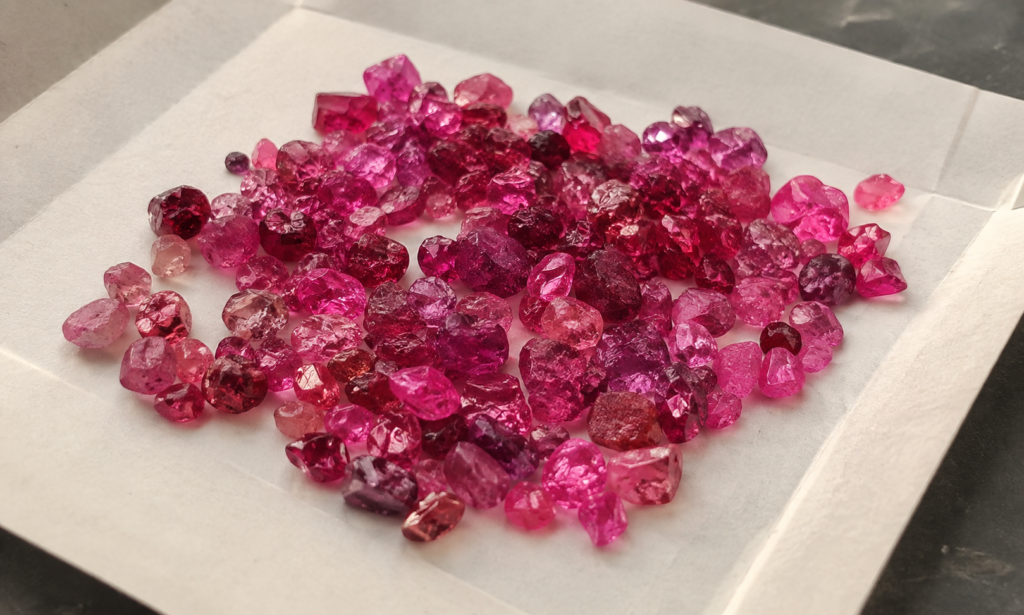
Where Is Mahenge?
Mahenge is a town and gemstone-producing region in Tanzania. Spinel has been known from the wider area for decades, but some of the material most strongly associated with the modern Mahenge reputation came from deposits near Ipanko, several kilometres south of Mahenge town.
This distinction is useful because gemstone origin names often describe a wider mining district rather than a single point on a map. In everyday trade language, “Mahenge spinel” became a convenient way to refer to material from this Tanzanian gem-producing area.
The Discovery That Changed Mahenge’s Reputation
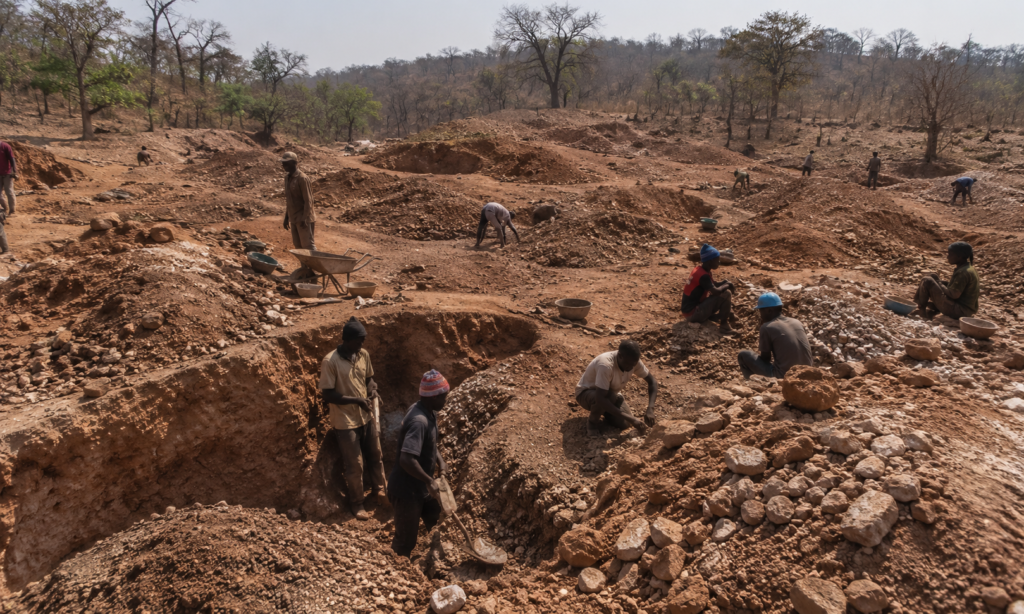
Mahenge became internationally famous after an extraordinary discovery in 2007 near Ipanko. Giant spinel crystals weighing more than 50 kilograms were recovered, including material with highly saturated pinkish-red colour.
The discovery was important not simply because the crystals were enormous. Cutting the material introduced a new supply of vibrant red-to-pink spinel to the international market, including unusually large faceted stones. Gemological laboratories subsequently examined exceptional Mahenge spinels weighing many tens of carats, and the locality quickly became one of the names collectors associated with fine spinel.
What Colour Is Mahenge Spinel?
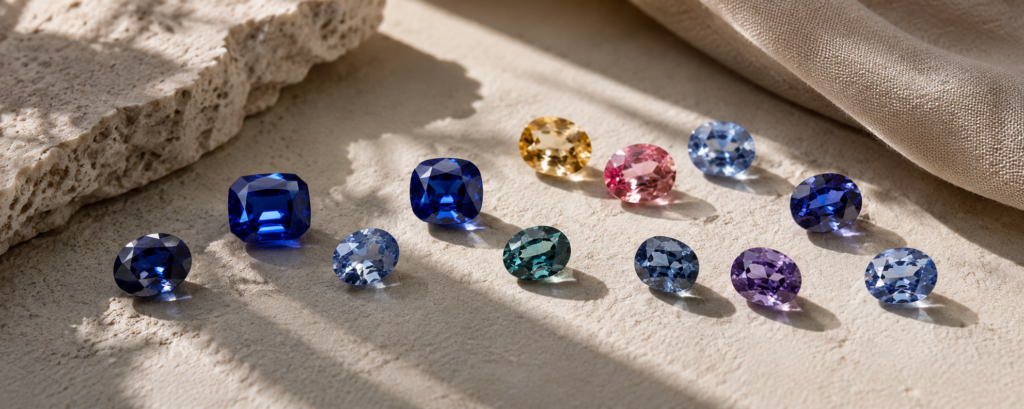
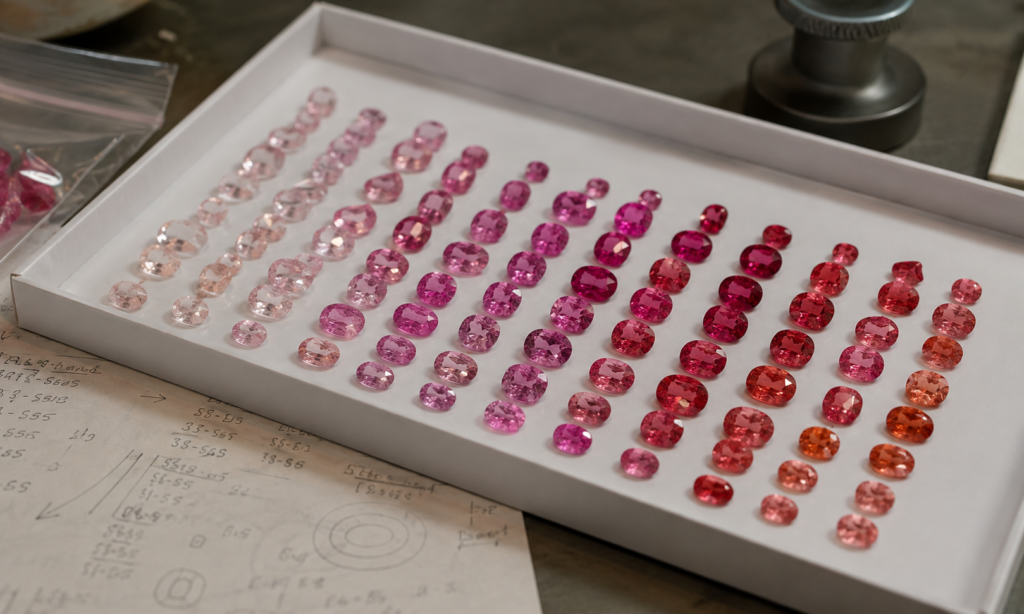
There is no single “Mahenge colour.” Gemological studies of spinel from the area have documented a range that includes pink, purplish pink, orangy pink, red-orange and orangy red, while the wider Mahenge region can also produce spinel outside the famous red-pink family.
That matters because an origin describes where a gemstone formed; it does not guarantee one hue. Two spinels can both come from the Mahenge area and look quite different from one another.
The Colour the Market Associates with Mahenge
Although Mahenge produces more than one colour, the market reputation was built largely around its vivid pink-to-red material. Over time, traders began using the locality name almost as visual shorthand for bright pink, pinkish-red and related warm red-pink appearances.
Historical market reporting has even documented dealers using the expression “Mahenge colour” for a deep pink with an orange influence. Other fine stones from the deposit have been described as electric pink. These descriptions show how strongly the origin became associated with a visual character, but they should not be mistaken for a universal colour grade.
What Gives Fine Mahenge Its Character?
The stones that made Mahenge famous often combine strong saturation with a bright, open appearance. In fine examples, the colour can feel intense without becoming visually heavy, while good transparency and an effective cut allow the stone to remain lively face-up.
As with red and pink spinel from other origins, chromium is an important contributor to these colours. Iron and other chemical factors can modify the final appearance. But chemistry should not be turned into a simple Mahenge formula: stones from the same locality can differ in composition, tone and colour.
The useful way to understand the famous Mahenge character is therefore visually. It is the combination of colour intensity, brightness, transparency and the individual stone’s light return that creates the electric impression for which some material is known.
Mahenge and the “Neon” Impression
Fine hot-pink and pinkish-red Mahenge spinel is sometimes described in the market as neon or electric. These are expressive trade descriptions rather than formal gemological grades. They communicate the sense that the colour remains unusually vivid and energetic when the stone is viewed face-up.
This does not mean that every Mahenge spinel should look neon. A deeper red, softer pink or warmer orangey-pink stone can still be genuinely Mahenge in origin. The famous electric character is part of the locality’s reputation, not a requirement for the name.
Mahenge Is Not the Same as Jedi
Because both names can be associated with exceptionally bright red-to-pink spinel, Mahenge and Jedi are sometimes discussed together. They describe different things.
Mahenge is a geographic origin. Jedi began as a trade description for a particular highly saturated, bright and low-darkness character associated historically with Burmese spinel; specific laboratory frameworks may apply their own additional criteria.
A Mahenge spinel can look exceptionally vivid or neon without the two terms becoming interchangeable. Keeping origin and visual trade terminology separate makes both descriptions more useful.
Does Mahenge Mean Pink-Red Only?
No. The wider region demonstrates this particularly well. In addition to its famous red-pink material, other spinel colours occur in and around the Mahenge gem fields. More recently, cobalt-bearing blue spinel has also been reported from the Lukande area southeast of Mahenge.
That contrast makes the principle especially clear: origin tells us where a gemstone comes from, not what colour it must be.
Is “Mahenge” an Origin Name or a Colour Name?
Geographically, Mahenge is an origin. Commercially, the name has sometimes also been used to suggest the vivid pink-to-red colour character that made the locality famous.
Those uses should be read differently. If a laboratory makes an origin determination, it is addressing geographic provenance. If someone in the trade says “Mahenge colour,” they may instead be describing a visual resemblance to the well-known material from the area.
Mahenge can describe where a spinel comes from. In the trade, it can also suggest a colour—but the two should not be confused.
Does Mahenge Origin Make a Spinel More Valuable?
A respected origin can add context, rarity and collector interest, especially when that locality has produced historically important material. It does not make every stone from the locality equally desirable.
A Mahenge spinel still has its own colour, tone, clarity, cut, size and overall character. A stone with an origin name but an appearance someone does not enjoy does not become more beautiful simply because of the label. Likewise, exceptional spinel can come from other origins.
This is why origin works best as one part of the gemstone’s story rather than as a substitute for looking at the individual stone.
A Note on Treatment
Origin and treatment are separate questions. Heat treatment of Mahenge spinel has been documented by gemological laboratories, so the locality name should not be interpreted as a guarantee that a particular stone is untreated.
When treatment status matters, it should be established independently through appropriate gemological examination rather than inferred from origin.
Origin Creates a Story, Not a Formula
Mahenge is a good example of what happens when a gemstone locality becomes famous enough that its place name begins to develop a visual meaning in the market. The association with electric pink and vivid pinkish-red spinel is part of modern gem history, and it came from genuinely exceptional material.
But Mahenge is not one colour, a quality grade or a guarantee that every stone will look neon. What made the locality important was its ability to produce extraordinary spinel—not the idea that every spinel from there must look the same.
Mahenge tells us where the story begins. The individual spinel tells us what that story looks like.