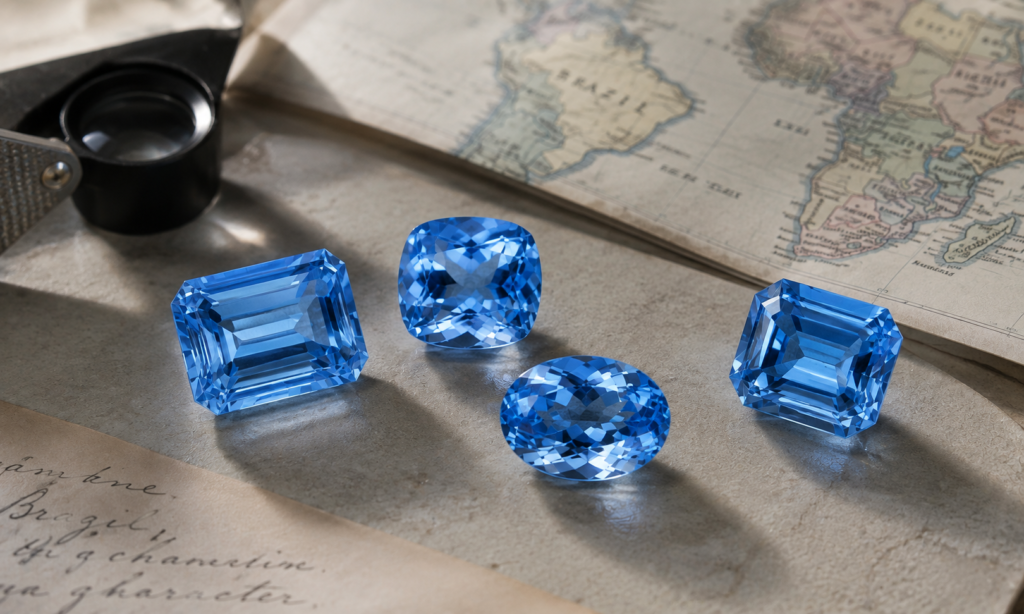
Some gemstone names begin with colour. Others begin with a place. Santa Maria belongs to the second story. The name is connected with Santa Maria de Itabira in Minas Gerais, Brazil, where aquamarine became celebrated for a stronger, more saturated expression of blue than the pale and watery colours often associated with the gem. Over time, the reputation of that material became so influential that the name travelled beyond its original geography.
Santa Maria began as the name of a place. Its legacy became the name of a colour.
First, Santa Maria Is a Real Place
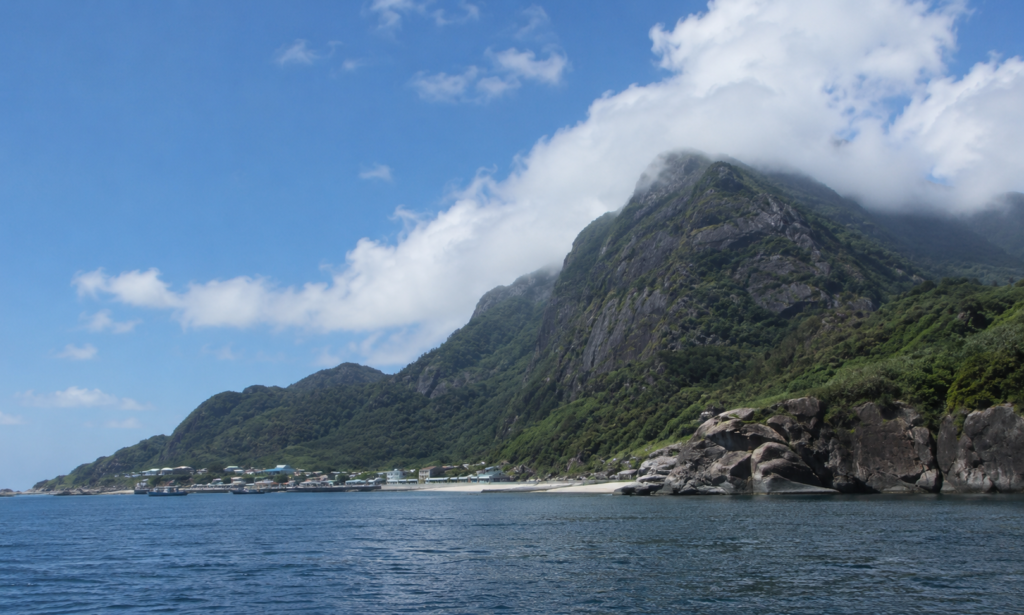
Santa Maria de Itabira is a municipality in Minas Gerais, Brazil, a state with a long and important history of gemstone and mineral production. Before Santa Maria became part of the international vocabulary of aquamarine, it was first a geographic name.
That distinction matters. Santa Maria was not originally invented as a marketing phrase for dark blue aquamarine. Its connection with the gemstone grew from material associated with a real Brazilian locality.
The Aquamarine That Made the Name Famous
Santa Maria de Itabira became renowned in the gem trade for aquamarine with fine, saturated blue colour. Aquamarine naturally spans pale blue, green-blue and greenish blue through stronger blue appearances, but material associated with Santa Maria helped establish a memorable reference for the deeper end of that range.
The locality became famous because notable stones came from it. The direction of that relationship is important: the name gained prestige from the gemstones, rather than every gemstone becoming exceptional simply because it carried the name.
Why That Blue Stood Out
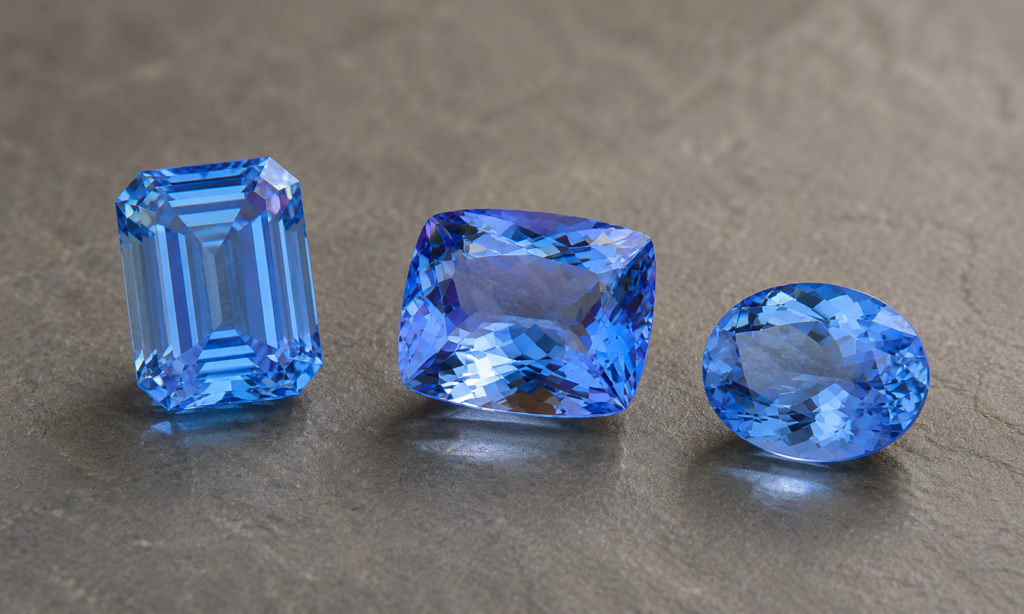
Much aquamarine occurs in relatively light tones, often with some green influence. Against that familiar appearance, stronger blue material can feel especially distinctive. Santa Maria became associated with an expression of aquamarine in which blue remained prominent and saturation could be unusually compelling.
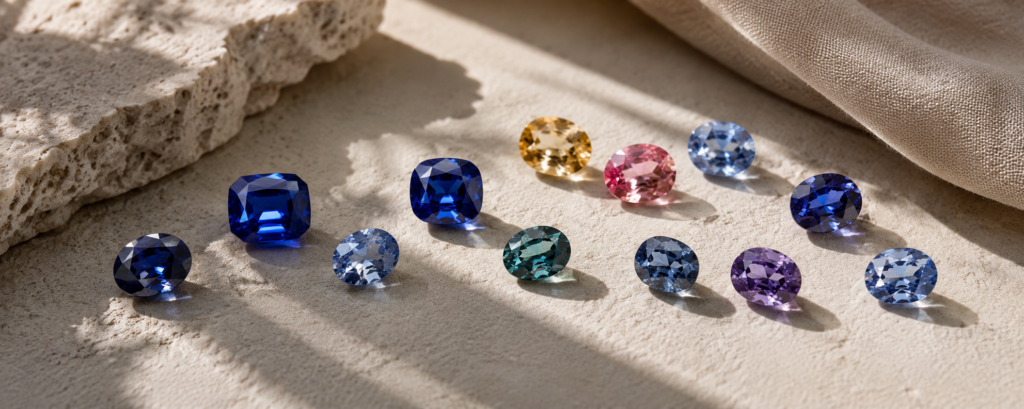
This should not be turned into a rule that deeper blue is the only meaningful aquamarine. Pale, watery and greenish stones belong naturally to the species as well. Santa Maria simply showed another part of aquamarine’s possible visual range.
Santa Maria became memorable not because it changed what aquamarine was, but because it revealed how deeply blue aquamarine could become.
From Geographic Origin to Trade Vocabulary
As the reputation of Santa Maria material grew, the name gradually acquired a second life. In the modern gem trade, Santa Maria can be used not only in connection with the Brazilian locality but also as a colour description for aquamarine whose appearance recalls the saturated blue historically associated with it.
This evolution is why a stone described today as “Santa Maria aquamarine” should not automatically be assumed to have been mined at Santa Maria de Itabira. The phrase can be communicating a colour character rather than a documented geographic origin.
When the Mine Faded, the Name Remained
Historical production from the original Santa Maria source declined, and the famous material became increasingly scarce in the market. Yet the visual reference the mine had created did not disappear. Older Brazilian stones continued to circulate, while aquamarine from other deposits demonstrated that similarly strong blue appearances were possible elsewhere.
The result is an unusual legacy: production from one locality could diminish while its name became more widely recognized than ever.
The mine could stop producing. The colour it taught the trade to recognize did not disappear with it.
Santa Maria Blue Travelled Beyond Brazil
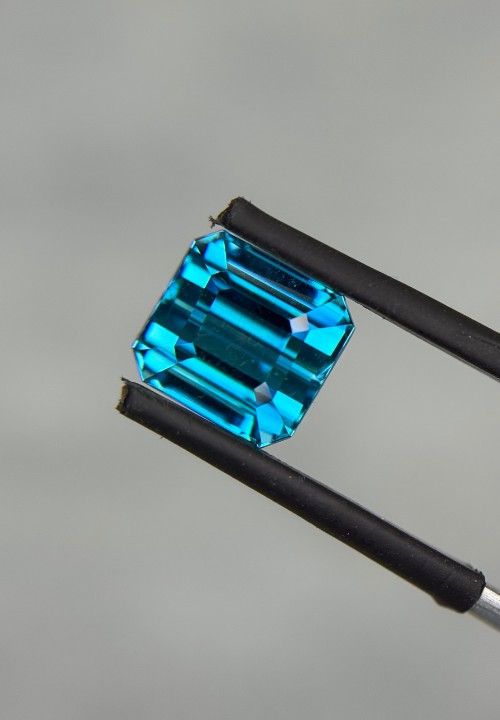
Aquamarine deposits outside Brazil have produced material with strong blue colour, particularly from parts of Africa. As these stones entered the market, the established Santa Maria vocabulary travelled with them. Terms such as “Santa Maria Africana” have consequently appeared in the trade for African aquamarine with a colour reminiscent of the celebrated Brazilian material.
The terminology shows how influential the original colour reference became, but it also reinforces the need to keep colour description and geographic origin separate. Similar appearances can emerge from different deposits.
A Famous Name Is Not a Guarantee of Origin
Colour alone cannot demonstrate that an aquamarine came from Santa Maria de Itabira. If Brazilian locality is being presented as a factual origin, that claim requires appropriate provenance or gemological support rather than inference from appearance.
The same principle applies to value. Famous localities become famous because they have produced remarkable gemstones, but a locality name cannot describe every quality of an individual stone. Origin can tell us where a story began; it cannot tell us everything about the gemstone in front of us.
Santa Maria Is Also Not One Perfect Blue
There is no single universally applied visual boundary that makes every dealer’s use of “Santa Maria” identical. The trade has used the term for strongly coloured aquamarine, and laboratories and industry organizations have made efforts to describe or standardize the colour territory more clearly.
That variation in usage is itself informative. Santa Maria should not be imagined as one exact digital colour value or a simple grade that can be assigned from a photograph. Tone, saturation, lighting, cut and the individual stone all influence the blue we perceive.
Why the Name Still Matters
Santa Maria remains important because it became a reference point in the history of aquamarine. The name helped the trade describe a side of the gem that could be stronger and more deeply blue than its familiar pale, watery image.
Its significance therefore extends beyond scarcity or prestige. Santa Maria shows how one locality can influence the language through which an entire gemstone is understood, even after comparable colours are discovered elsewhere.
The Place, the Colour and the Stone Should Remain Separate
There are three related ideas in the Santa Maria story: Santa Maria de Itabira as a place, Santa Maria as modern trade colour terminology, and the individual aquamarine being examined. They overlap historically, but they are not interchangeable.
An aquamarine from another country does not become Brazilian because its colour resembles Santa Maria material. An aquamarine from a famous locality is not automatically exceptional because of its address. And a lighter aquamarine does not fail simply because it expresses a different side of blue.
Santa Maria tells us where a famous blue entered the story. The individual gemstone still has to speak for itself.
When a Place Outlives Its Mine
Santa Maria began with a locality in Minas Gerais, became associated with a remarkable expression of aquamarine blue, and eventually grew into a name used far beyond the Brazilian place that created its reputation.
Understanding that history does not make every Santa Maria-labelled stone the same. Instead, it shows how one source left a lasting mark on the language of aquamarine—and how a place can continue to shape the way we see a colour long after the story has travelled elsewhere.