
Vietnamese spinel is often introduced through one extraordinary colour: vivid blue. The cobalt-bearing blue spinels of northern Vietnam have given the country a distinctive place in the modern coloured-stone market, but blue is only one chapter of a much broader story.
In the Luc Yen gem-producing district, spinel occurs in red, pink, purple, violet and several expressions of blue. Different deposits can produce noticeably different material, which makes Vietnamese spinel difficult—and unnecessary—to reduce to a single visual signature.
Vietnamese spinel is not defined by one colour. Its character lies in how many different expressions can emerge from the same gemstone landscape.

Luc Yen: The Heart of Vietnam’s Spinel Story
Luc Yen lies in Yen Bai Province in northern Vietnam, northwest of Hanoi. The district became internationally important after major discoveries of ruby, sapphire and spinel in the late 1980s.
The landscape itself is part of the story. Gem deposits occur among marble and limestone terrain, valleys and weathered material, and mining has often taken place on a relatively small scale. Spinel is therefore part of a wider gemstone environment rather than the product of one isolated “spinel mine.”
Spinel Was Part of a Larger Gem Discovery
When Luc Yen emerged as a major gem district, attention naturally focused on ruby and sapphire as well as spinel. In alluvial deposits, different gem minerals can occur together after weathering releases them from their original host rocks and natural processes concentrate them in sediments.
This helps explain why the history of Vietnamese spinel cannot be separated completely from the broader history of gemstone mining in the region. The same landscape that became known for ruby also revealed spinel with colours that would eventually develop identities of their own.
What Colour Is Vietnamese Spinel?
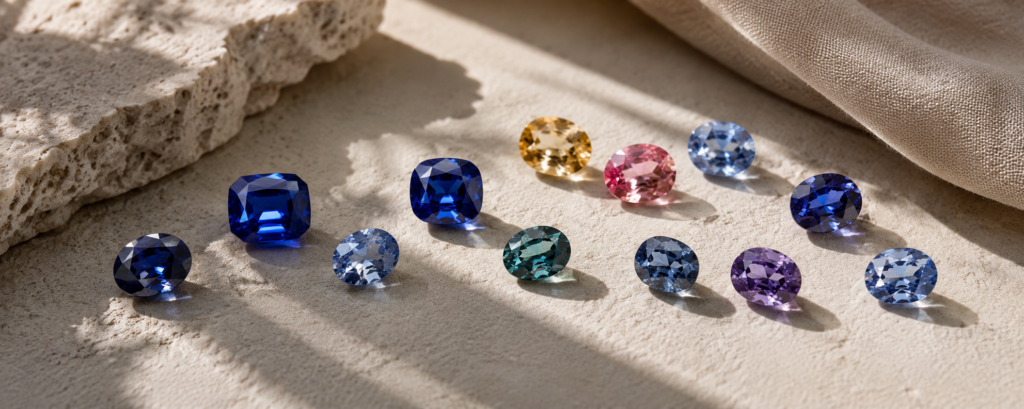
There is no single Vietnamese spinel colour. Documented material from the Luc Yen district includes red, brownish red, pink, purplish pink, purple, violetish blue, sky blue and more saturated blue appearances.
The distribution is not uniform across every deposit. Some mining areas are associated more strongly with red and pink material, while others have produced the blue spinel for which Luc Yen has become especially famous.
This variation is one of the most interesting aspects of the origin. “Vietnamese” tells us where the stone comes from; it does not tell us in advance what colour we should expect to see.
The Blue That Changed Vietnam’s Spinel Reputation
Although spinel had already been known from Luc Yen for years, exceptionally vivid blue material gave the origin a new international identity in the modern market. Luc Yen is now recognised as one of the important sources of vivid blue spinel.
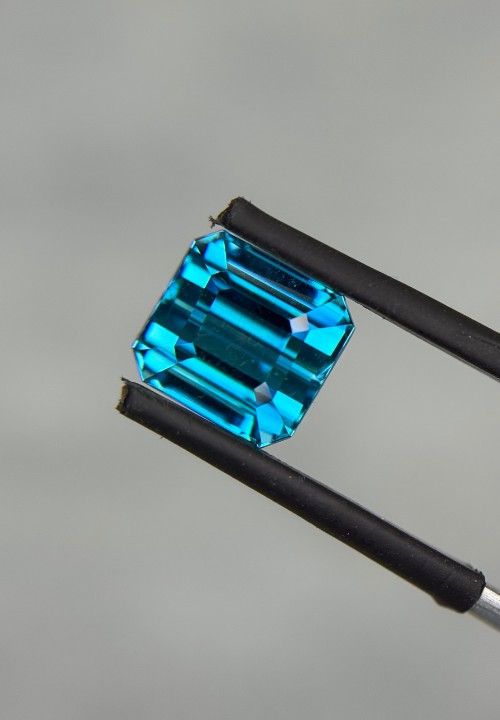
The finest examples can show a strikingly pure or electric blue appearance that is unusual within the spinel family. This rarity is part of the reason Vietnamese blue spinel receives so much attention from collectors and gem professionals.
But the reputation should be read carefully. Not every blue spinel from Vietnam looks electric, and not every Vietnamese spinel is blue. The exceptional material created the reputation; it did not redefine everything the origin produces.
From Sky Blue to Cobalt Blue
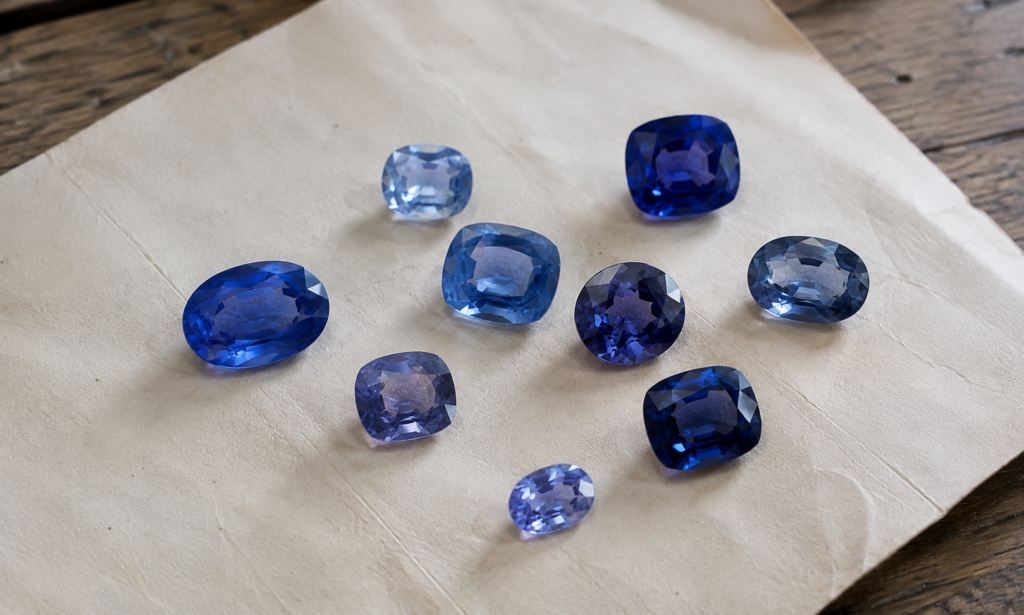
Even within the blue family, Vietnamese spinel can vary considerably. Some stones appear light and open, approaching sky blue. Others show stronger saturation and can move toward vivid blue or violetish blue. Still others carry a noticeable gray influence.
This means that “Vietnamese blue spinel” is better understood as a family of appearances than as one cobalt-blue colour chip. Tone, saturation and the balance between blue, violet and gray can all change the character of the stone.
What Makes the Famous Blue Colour?
Gemological research on vivid blue Luc Yen spinel has identified cobalt as an important colouring element, with iron also influencing the final appearance. The relationship between these elements helps explain why stones containing cobalt do not all look the same.
As the influence of iron becomes stronger relative to cobalt, the blue can appear grayer or less purely vivid. This is one reason the word cobalt should not be treated as a guarantee of one particular visual result.
Chemistry can help explain the colour, but the eye still sees the combined result: hue, saturation, tone, transparency and cut working together in an individual stone.
Some Vietnamese Blue Spinels Shift with the Light
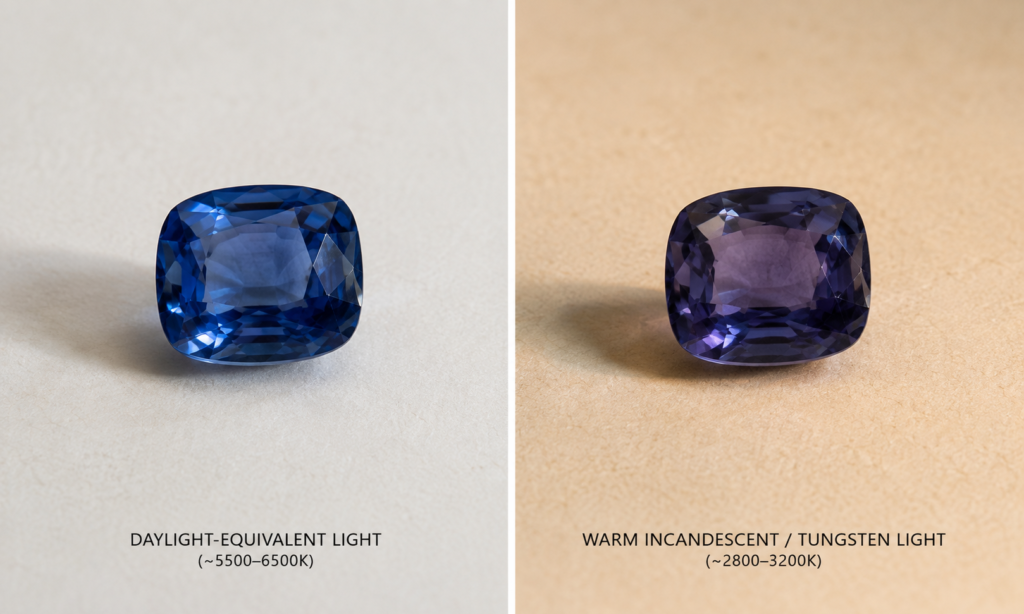
Lighting can reveal another layer of character. Some blue spinels studied from Luc Yen appear blue under daylight-equivalent illumination and move toward violetish blue under warmer incandescent light.
This does not happen identically in every Vietnamese blue spinel, and it should not be treated as a requirement of the origin. It is simply one of the ways certain stones respond to changes in the spectrum of the light around them.
For a viewer, that shift can make the same gemstone feel cooler and more purely blue in one environment, then slightly more violet in another without either view being inherently more “correct.”
Vietnam Is More Than Blue
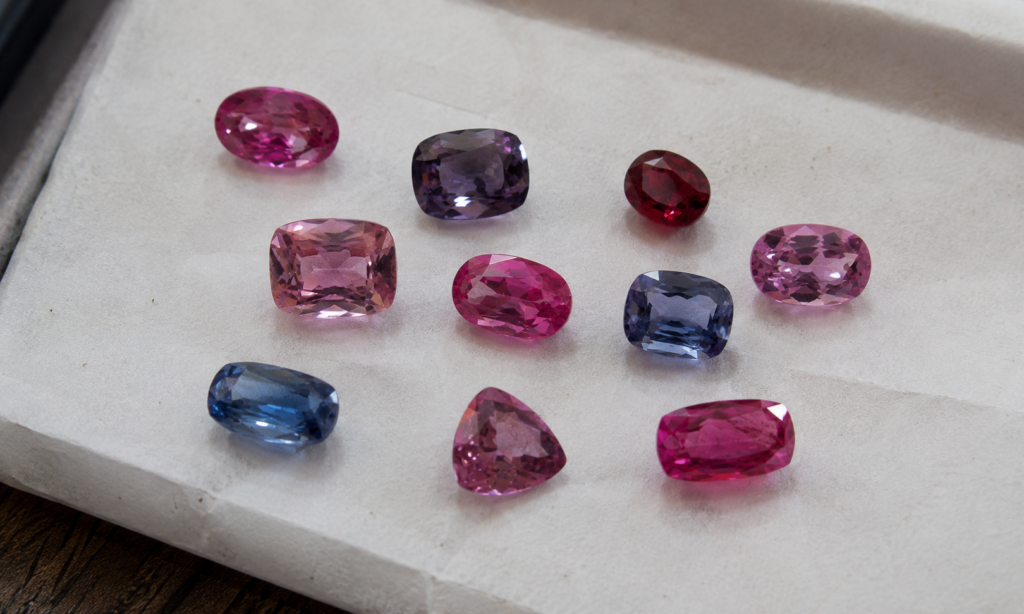
The prominence of cobalt-bearing blue spinel can easily overshadow the rest of Vietnam’s production. Yet red, pink, purplish-pink and purple spinels are also part of the Luc Yen story and were known from the district before vivid blue became its modern signature.
These colours can create completely different impressions. A bright pink stone may feel energetic and open; a purplish pink can appear cooler; a red can carry more visual weight; and purple introduces another character altogether. They share an origin without needing to share an aesthetic.
Vietnamese Red and Pink Spinel
Red and pink spinel should not be treated as secondary simply because Vietnamese blue is more unusual. Luc Yen has long produced pink, purplish-pink, red and related material, and these stones belong to the origin’s history in their own right.
As with spinel from Myanmar, Tanzania or other sources, individual Vietnamese red and pink stones can overlap visually with material from elsewhere. Origin should therefore not be guessed from colour alone.
Does Vietnamese Mean Cobalt?
No. Vietnamese spinel describes geographic origin. Cobalt-bearing spinel describes something about the chemistry of a particular stone.
A Vietnamese spinel may be pink, red, purple, sky blue, grayish blue or vivid cobalt-bearing blue. Even within the blue family, visual appearance alone is not always enough to make a precise chemical claim.
Vietnam tells us where the spinel comes from. Cobalt helps explain the colour of some of its most famous blue stones.
Small Stones Can Be Exceptional
One interesting part of the Luc Yen blue-spinel story is that some deposits producing exceptionally saturated cobalt-rich material tend to yield relatively small crystals. Larger blue stones can occur, but exceptional saturation and exceptional size do not always appear together.
This is useful context when looking at rare colour material. Carat weight is easy to compare numerically, while the rarity of a particular colour character is harder to see on a specification sheet. A small stone can therefore represent an unusually difficult combination of chemistry and appearance without needing to compete with a larger stone on size alone.
Does Vietnamese Origin Make a Spinel More Valuable?
Luc Yen origin can add provenance, geological context and collector interest, particularly for exceptional blue material. But origin is not an automatic quality grade.
A Vietnamese spinel still has its own colour, saturation, tone, clarity, cut, size and overall character. A vivid blue stone and a softer pink stone may appeal to completely different people, while a grayish-blue stone may be attractive precisely because of the character another person would not choose.
The origin gives us context. The individual gemstone gives that context a visible form.
One Origin, Many Expressions
Vietnam’s place in the modern spinel story is inseparable from the remarkable blue material of Luc Yen. Cobalt-bearing electric blue gave the origin a signature that is genuinely unusual within the gem world.
Yet focusing on that colour alone misses what makes the region especially interesting. Pink, red, purple, sky blue, violetish blue and vivid cobalt-bearing blue can all emerge from the wider gemstone landscape, sometimes from deposits only a relatively short distance apart.
Vietnamese spinel is not defined by one famous blue. Its character lies in the remarkable range of colours that can emerge from the same gemstone landscape.