
Gemstone Knowledge
SOOKJAI KNOWLEDGE
Gemstone Knowledge
A considered guide to gemstones — from colour and cut to origin, treatment and the stories behind each stone.
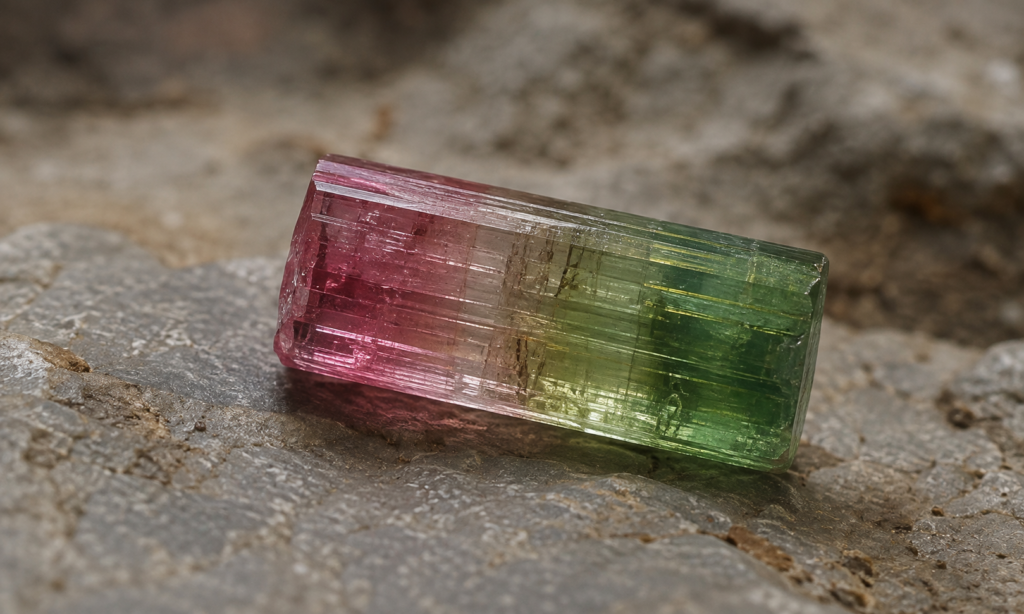
Tourmaline
What Is Tourmaline? A Guide to One of the Most Colourful Gemstones
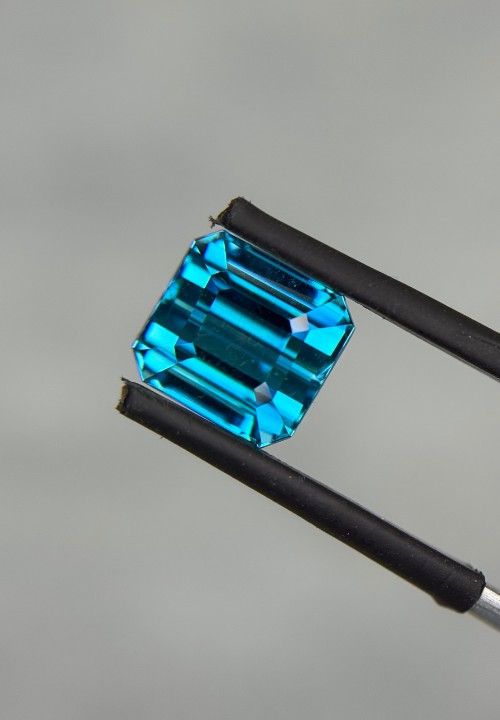
Tourmaline is a gemstone family with an extraordinary range of colours, from vivid pinks and greens to blues, bi-colours and colour-zoned crystals. Discover why its chemistry, crystal growth and natural structure create so much variety.
Read Article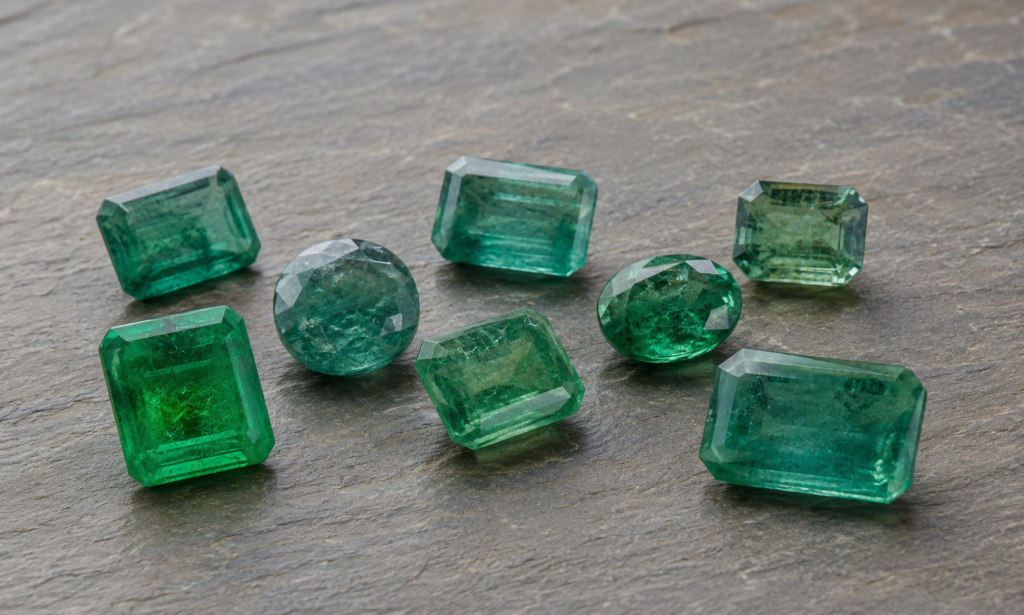
Emerald · Origin
Does Origin Really Matter When Choosing an Emerald?
Emerald origin can influence history, provenance and market value, but a famous country name is not a quality grade. Here is where origin matters—and where the individual emerald should come first.
Read Article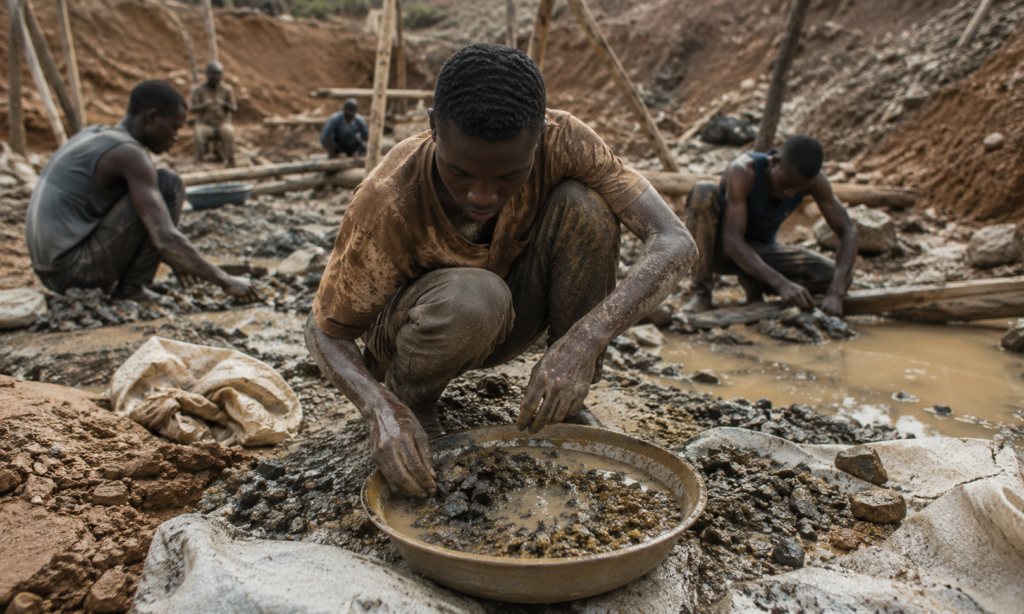
Emerald · Origin
Nigerian Emerald: The New Chapter in Emerald Origins
Nigeria is not a newly discovered emerald country. Its documented blue-green emerald, unusual geology and a recent green beryl discovery reveal a lesser-known origin whose story is entering a new chapter.
Read Article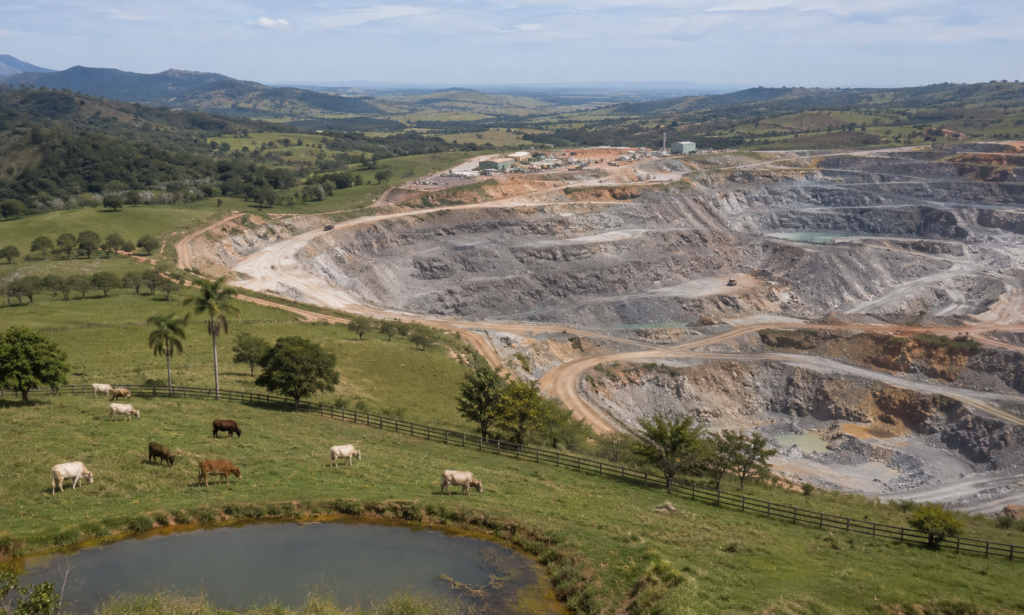
Emerald · Origin
Brazilian Emerald: What Should You Know?
Brazilian emerald comes from a diverse network of mining regions rather than one defining source. From Bahia and Goiás to Belmont and Nova Era, its modern history reveals an origin whose reputation has changed dramatically over the past several decades.
Read Article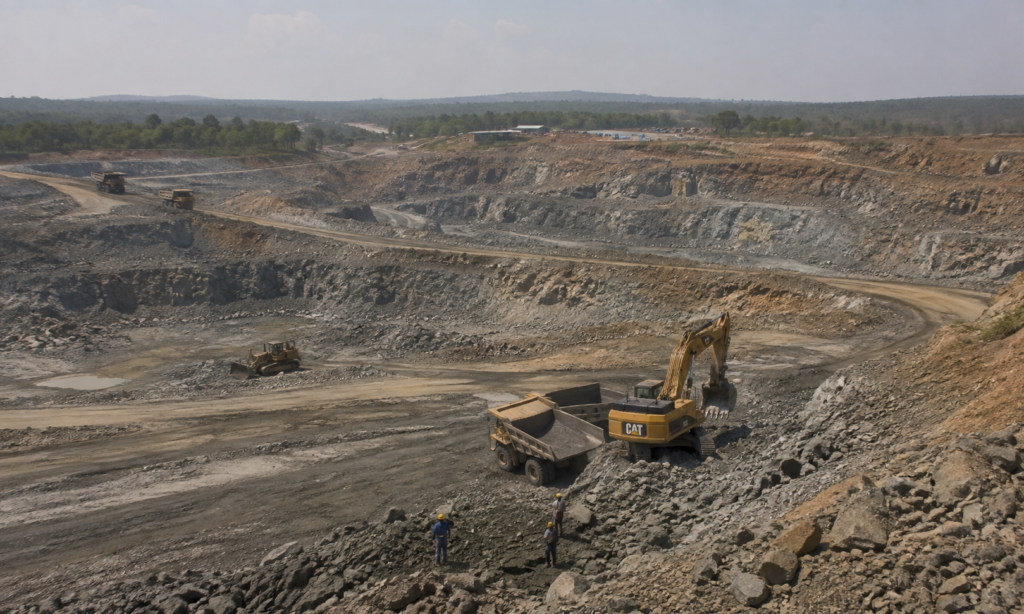
Emerald · Origin
Zambian Emerald History
Zambia’s emerald story is a modern transformation: from an overlooked beryl occurrence in 1928 to one of the world’s most important emerald regions, shaped by geology, industrial mining and global trade.
Read Article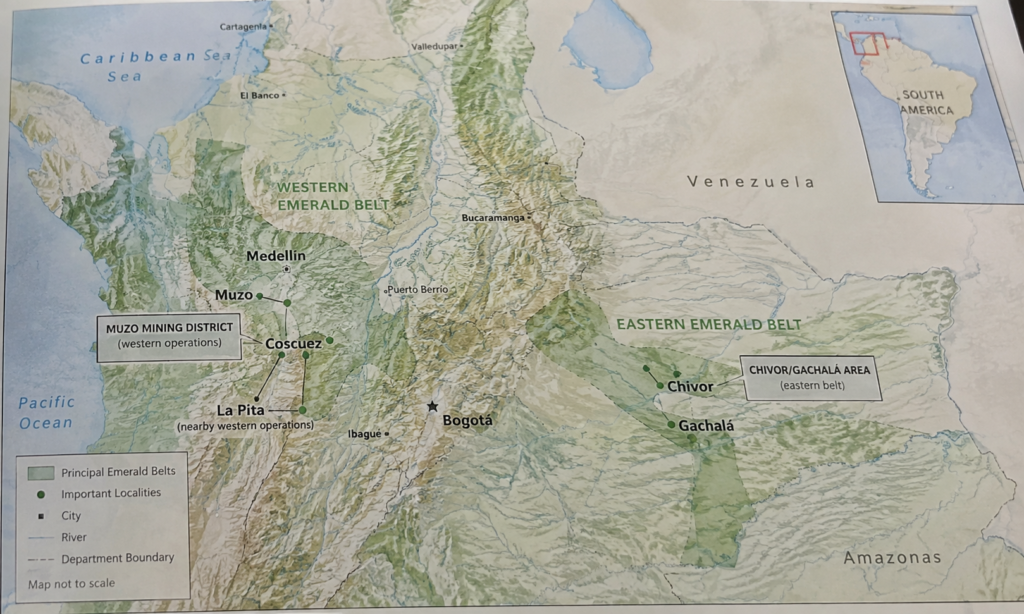
Emerald · Origin
Colombian Emerald: What Makes It So Famous?
Colombian emerald is one of the most famous origin names in the gemstone world. Its reputation grew from unusual geology, exceptional stones, centuries of trade, historic mining districts and a legacy that shaped how generations imagined fine emerald.
Read Article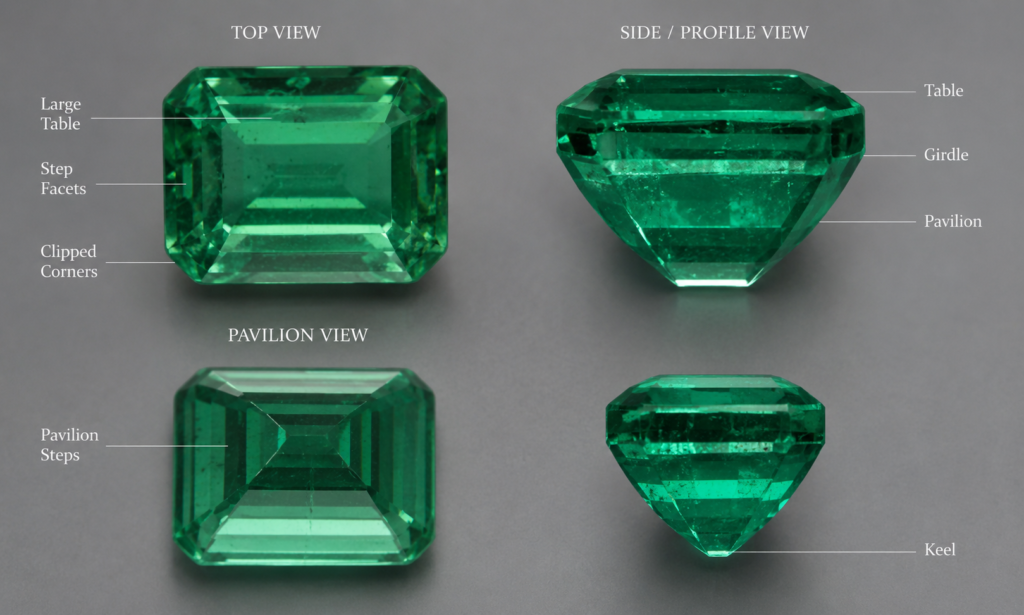
Emerald · Cut
Emerald Cut: Why the Classic Cut Was Made for Emerald
The emerald cut is more than a rectangular shape. Its clipped corners, broad step facets, open table and proportions respond to the crystal habit, colour, fissures, orientation and practical challenges of cutting and setting emerald.
Read Article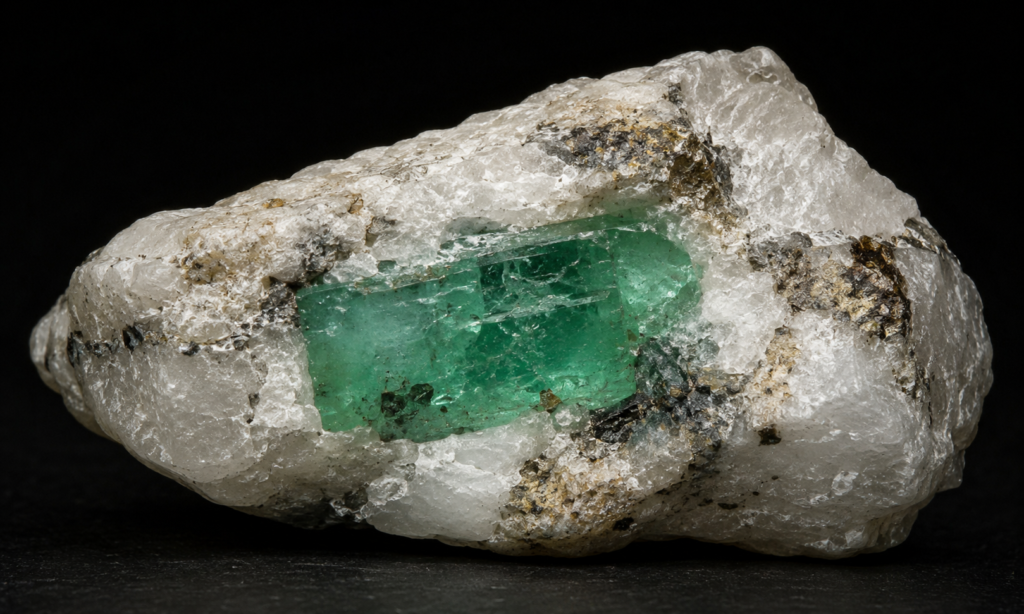
Emerald · Clarity
Why Are Emeralds Usually More Included Than Other Gemstones?
Emeralds are often visibly more included than many familiar faceted gemstones. The reason begins with their unusual geological formation, where rocks, fluids, minerals, fractures and crystal growth can leave a remarkable record inside the stone.
Read Article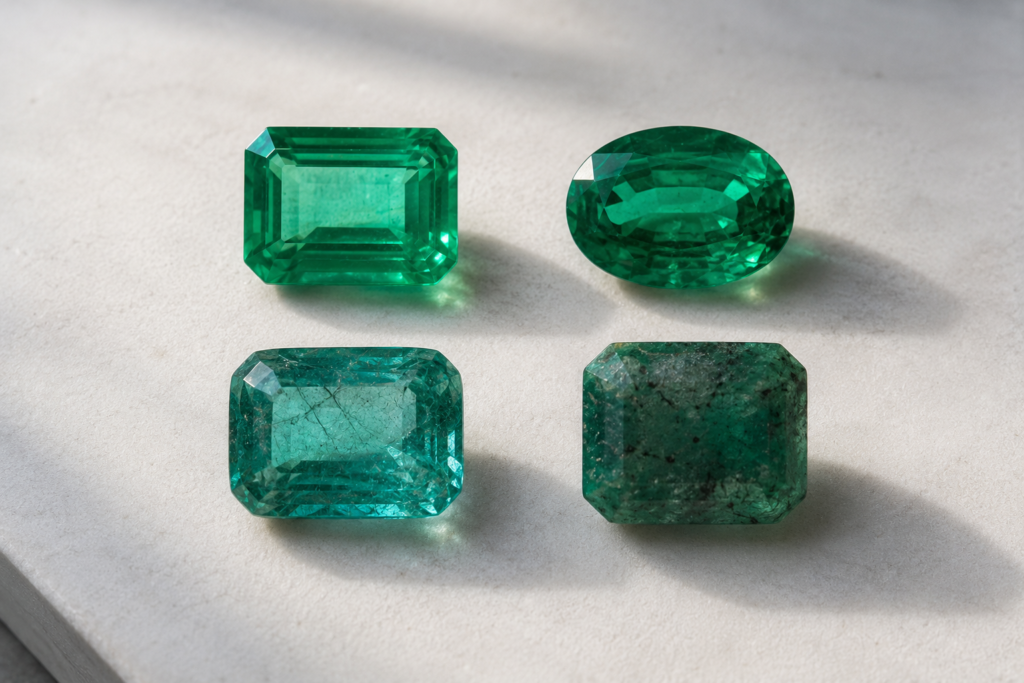
Emerald · Clarity
Does an Emerald Need to Be Eye-Clean to Be Beautiful?
Eye-clean emeralds are rare, but visible inclusions do not automatically prevent an emerald from being beautiful. Learn why transparency, position, visual impact and the experience of the whole stone can matter more than a simple clean-or-included label.
Read Article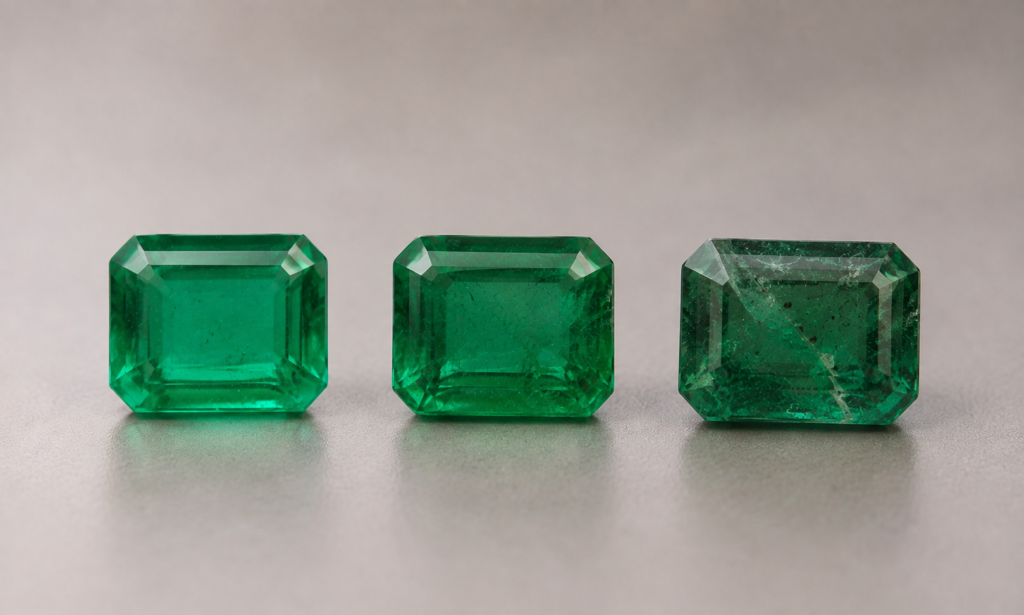
Emerald · Treatment
Minor, Moderate and Significant Oil: What Do They Actually Mean?
Minor, moderate and significant are commonly seen on emerald reports, but they are often misunderstood. Learn what these treatment levels actually describe, what they do not tell you, and how to read them in the context of the whole emerald.
Read Article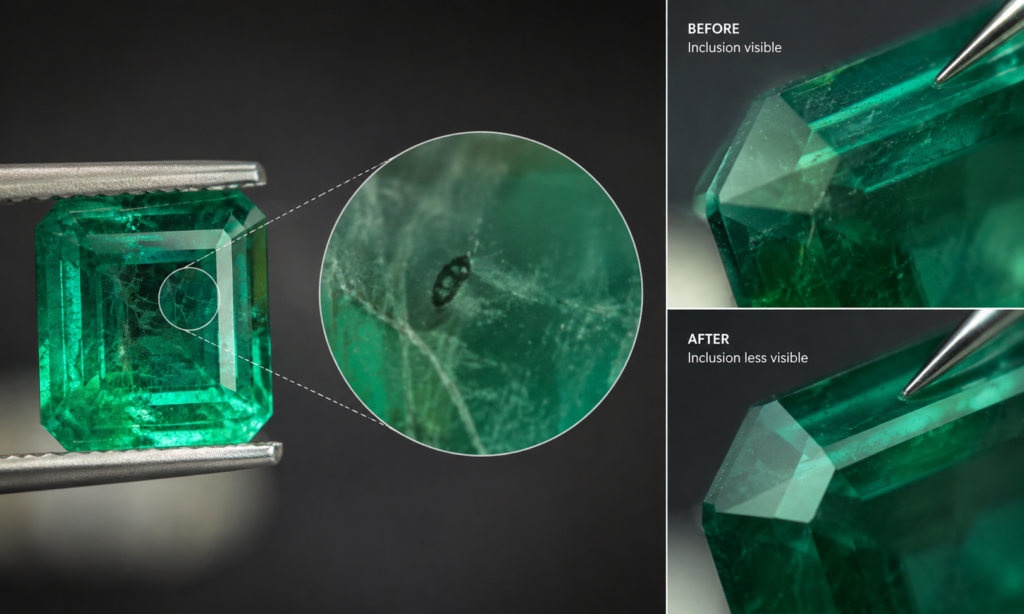
Emerald · Treatment
Emerald Treatments Explained: Oil, Resin and Clarity Enhancement
Oil, resin, minor, moderate and no indications of enhancement can sound confusing. Understand what emerald clarity enhancement actually does, how laboratories describe it, and why treatment is information rather than a simple measure of beauty.
Read Article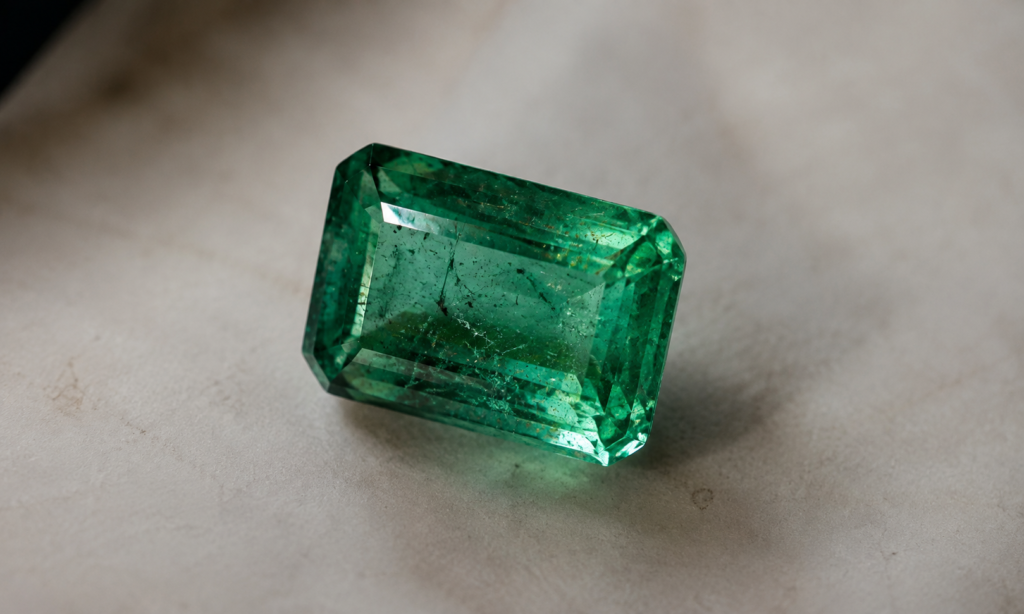
Emerald
Emerald Clarity: Why Inclusions Are Part of the Stone’s Character
Emerald inclusions are common, but their presence alone does not define clarity. Learn how jardin, crystals, fluid inclusions and fissures affect transparency, beauty, durability and the individual character of an emerald.
Read Article