
Gemstone Knowledge
SOOKJAI KNOWLEDGE
Gemstone Knowledge
A considered guide to gemstones — from colour and cut to origin, treatment and the stories behind each stone.
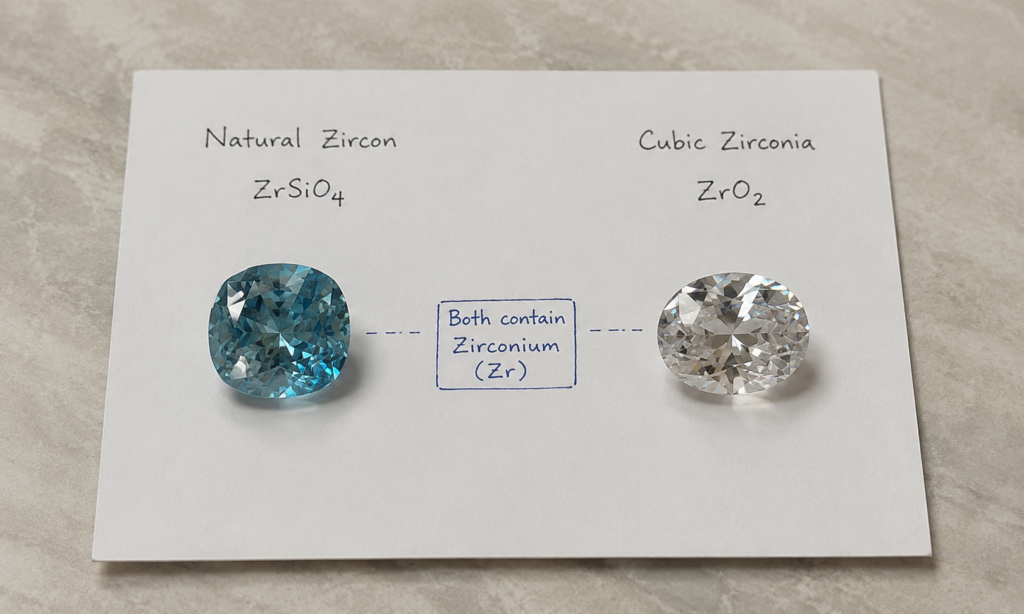
Zircon
Zircon Is Not Cubic Zirconia: Understanding the Difference
Zircon and cubic zirconia may have similar names, but they are fundamentally different materials. Understanding that distinction reveals the natural gemstone identity zircon has always had.
Read Article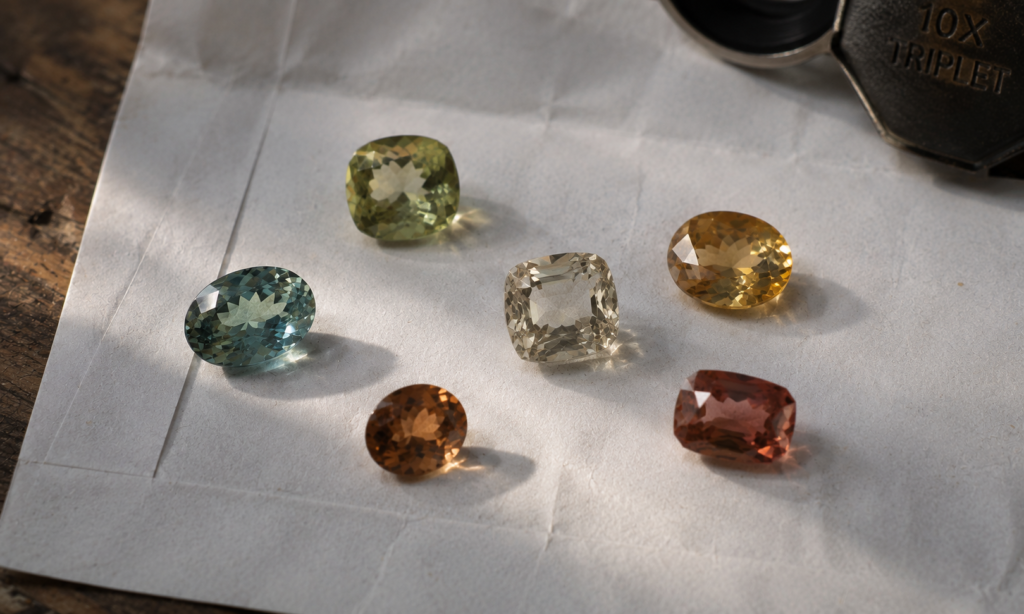
Zircon
What Is Zircon?
Zircon is an ancient natural gemstone with remarkable fire, double refraction and a surprisingly broad range of colours. Its story is far more interesting than its frequent confusion with cubic zirconia suggests.
Read Article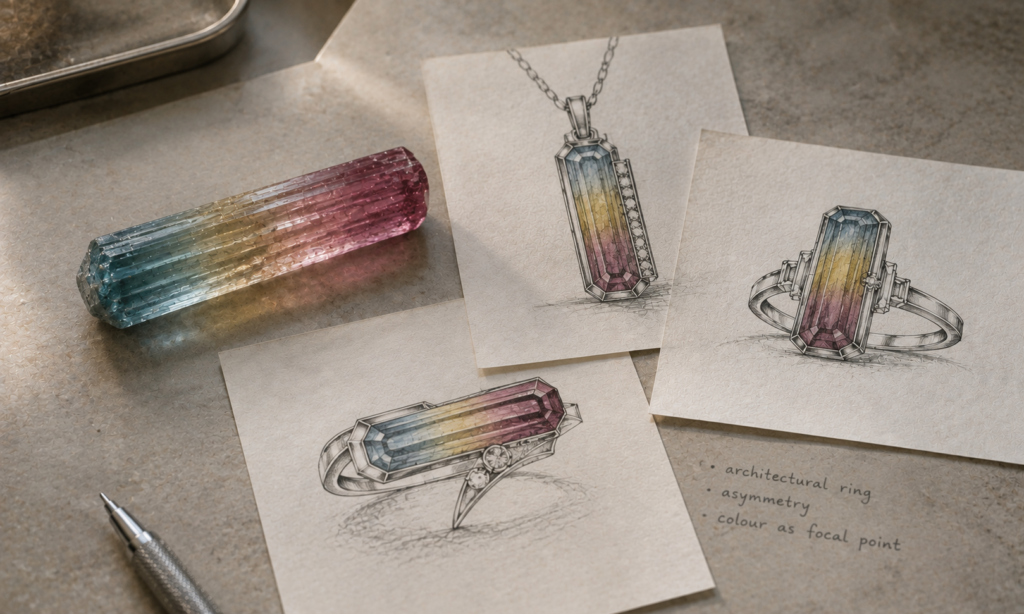
Tourmaline · The Sookjai Perspective
The Sookjai Perspective: What We Look for in a Tourmaline
Colour is where we begin, but never where we stop. A look at how Sookjai considers light, clarity, cut, character and design potential when choosing an individual tourmaline.
Read Article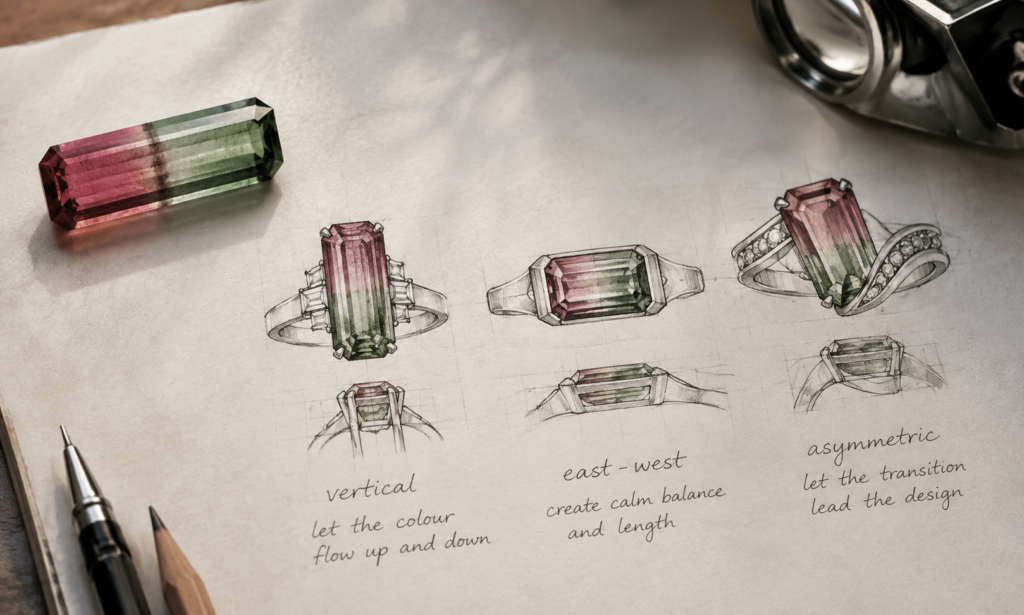
Tourmaline
One-of-a-Kind Tourmaline: Designing Around the Stone, Not the Other Way Around
Tourmaline’s unusual proportions, colour zoning and optical character can make the gemstone itself the starting point for jewelry design—turning natural individuality into a design direction rather than a problem to correct.
Read Article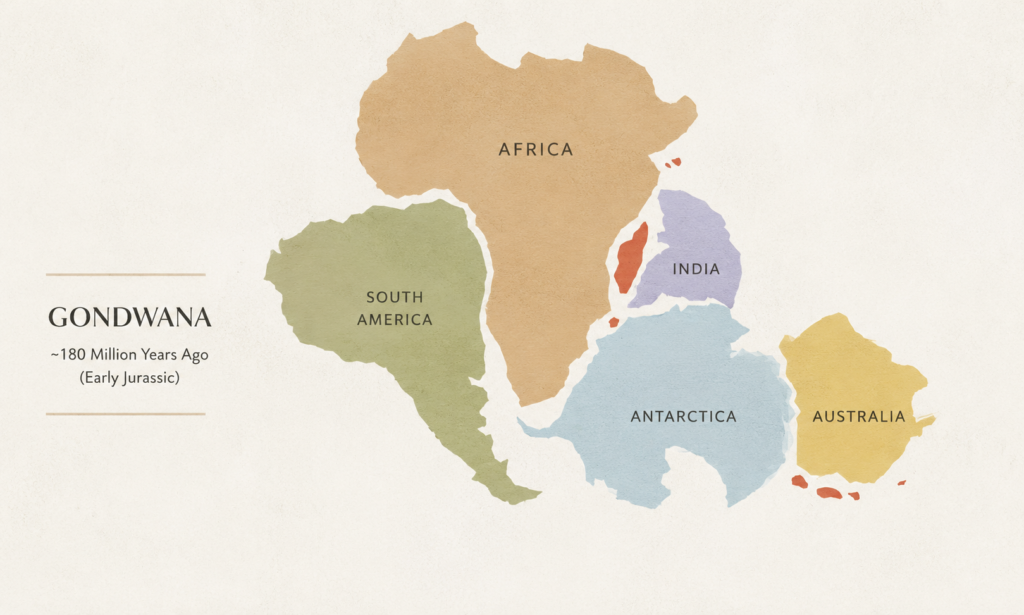
Origin · Tourmaline
Does Origin Matter in Tourmaline?
Tourmaline comes from many celebrated sources, but origin does not automatically determine beauty or quality. For most stones it adds context; in special markets such as Paraíba, provenance can also influence value.
Read Article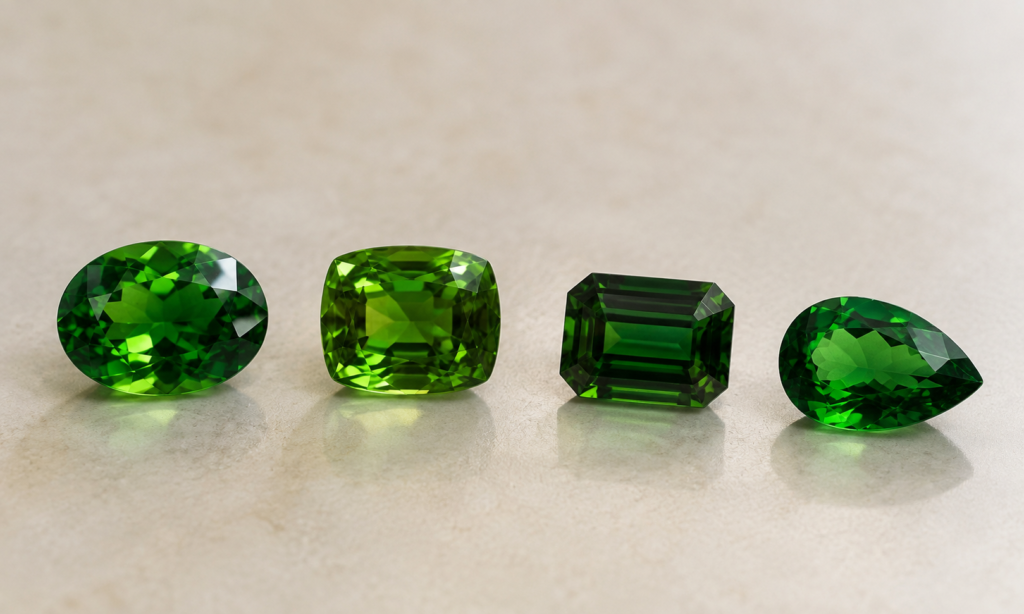
Colour · Tourmaline
Chrome Tourmaline: A Different Kind of Green
Chrome tourmaline is known for intensely saturated green, but its story is more complex than its name suggests—bringing together chromium, vanadium, a different part of the tourmaline family and distinctive geology.
Read Article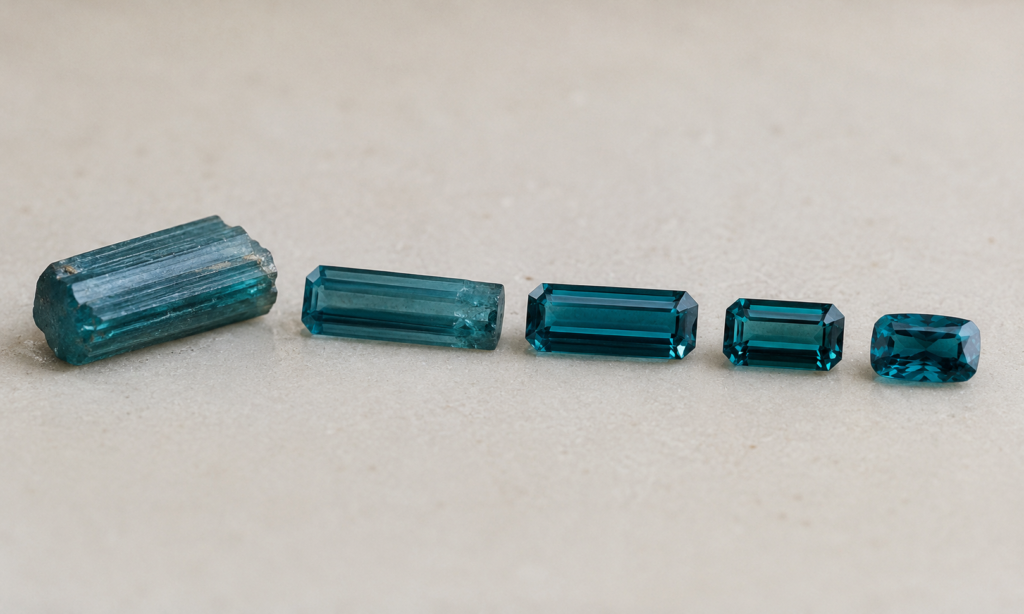
Colour · Tourmaline
Indicolite: The Blue Side of Tourmaline
Indicolite reveals a different side of blue tourmaline: iron-related colour that can range from violetish blue to greenish blue, shaped as much by depth and direction as by hue itself.
Read Article
Colour · Tourmaline
Rubellite: When Does Pink Tourmaline Become Rubellite?
Rubellite sits at the richer end of tourmaline’s pink-to-red spectrum, but the boundary is not universally fixed. Understanding the name means understanding colour, trade terminology and the individual stone.
Read Article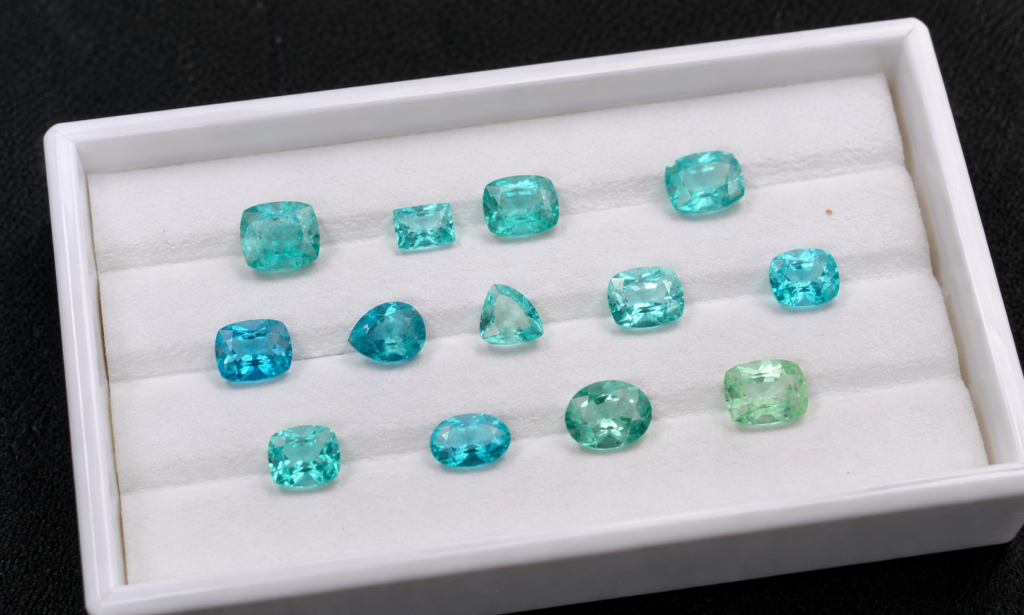
Colour · Tourmaline
Paraíba Tourmaline: What Makes Its Colour So Distinctive?
Paraíba tourmaline is famous for vivid blue-to-green colour often described as neon or electric. Its distinctive appearance begins with copper-related chemistry, but it is not one shade or one geographic origin.
Read Article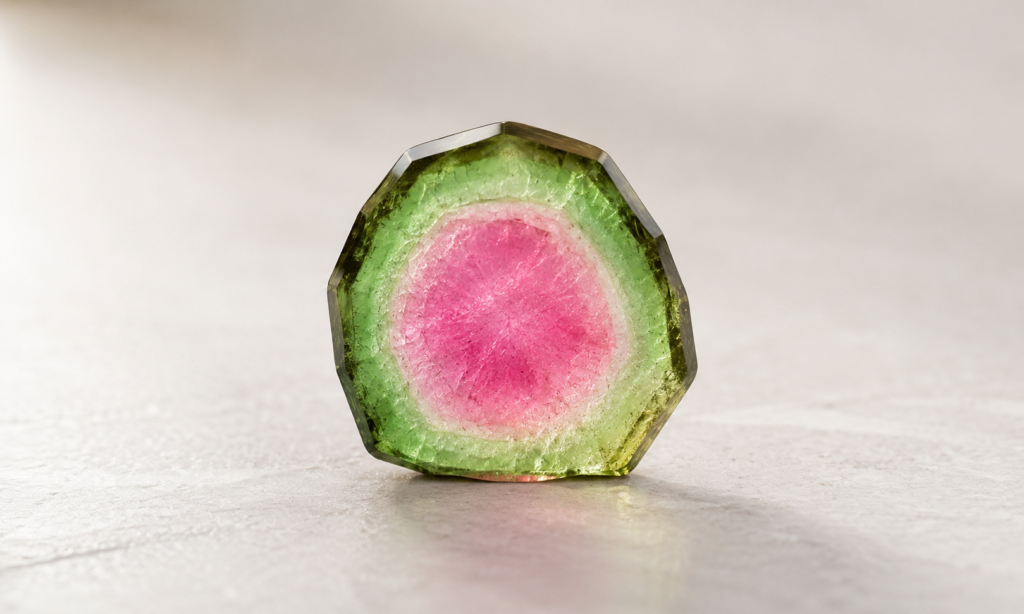
Colour · Tourmaline
Watermelon Tourmaline: How Nature Creates Its Famous Colour Zoning
Watermelon tourmaline is famous for its pink centre and green outer zoning. The pattern is a visible record of one crystal growing outward through changing chemical conditions.
Read Article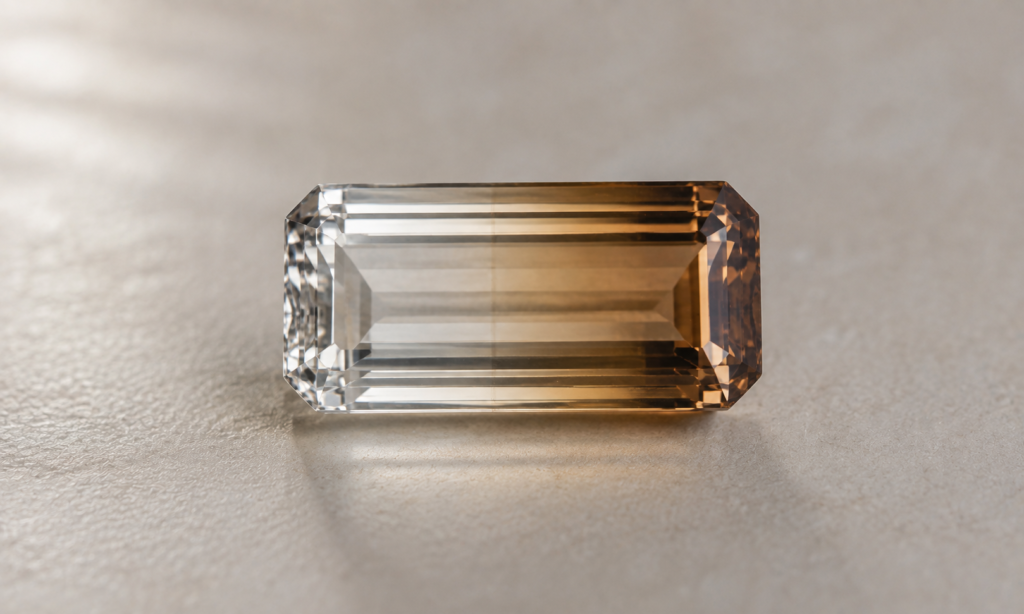
Colour · Tourmaline
Bi-Colour Tourmaline: Two Colours, One Gemstone
Bi-colour tourmaline can preserve two distinct colours within one continuous crystal. Its colour boundary can be a visible record of changing chemistry during crystal growth.
Read Article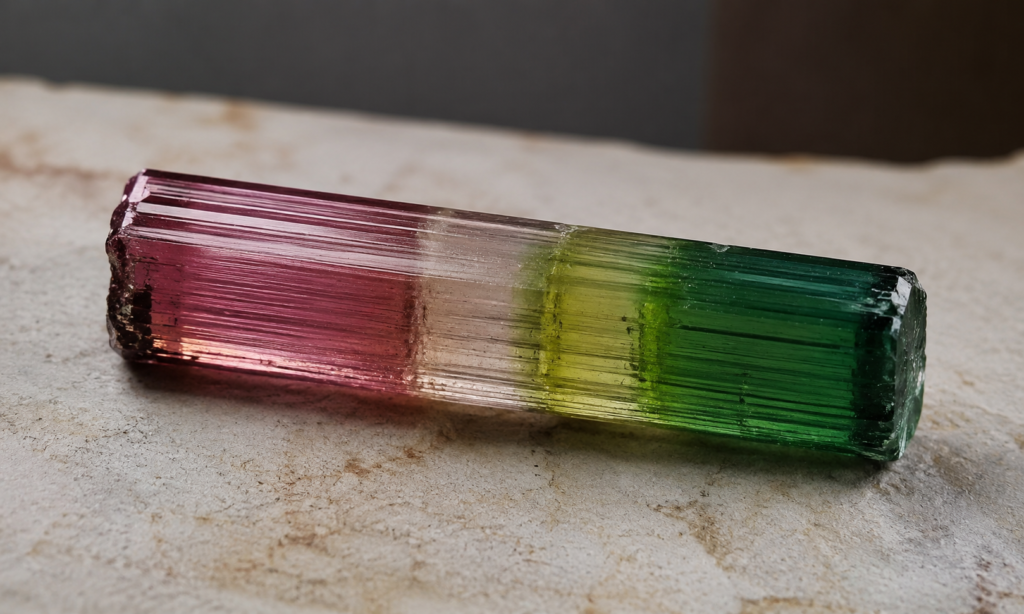
Colour · Tourmaline
Why Does Tourmaline Come in So Many Colours?
Tourmaline can appear in almost every colour because its crystal structure allows extraordinary chemical variation—and that chemistry can change while a single crystal is growing.
Read Article