
Gemstone Knowledge
SOOKJAI KNOWLEDGE
Gemstone Knowledge
A considered guide to gemstones — from colour and cut to origin, treatment and the stories behind each stone.
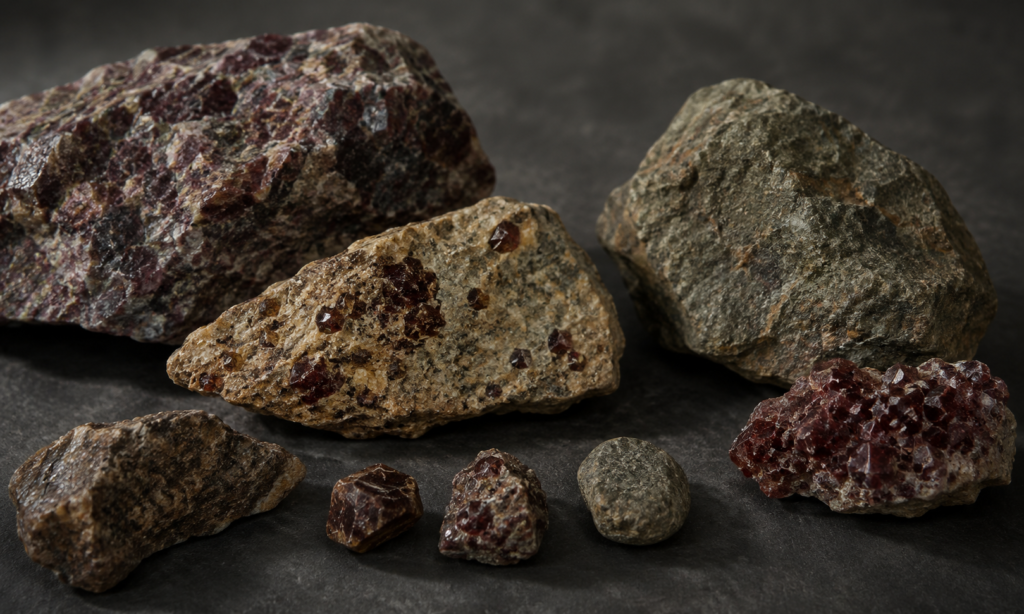
Colour · Garnet
Garnet Colours: From Deep Red to Vivid Green and Orange
Garnet reaches far beyond its familiar deep red, opening into purple-red, orange, yellow, vivid green, unusual blue and even colour-changing appearances.
Read Article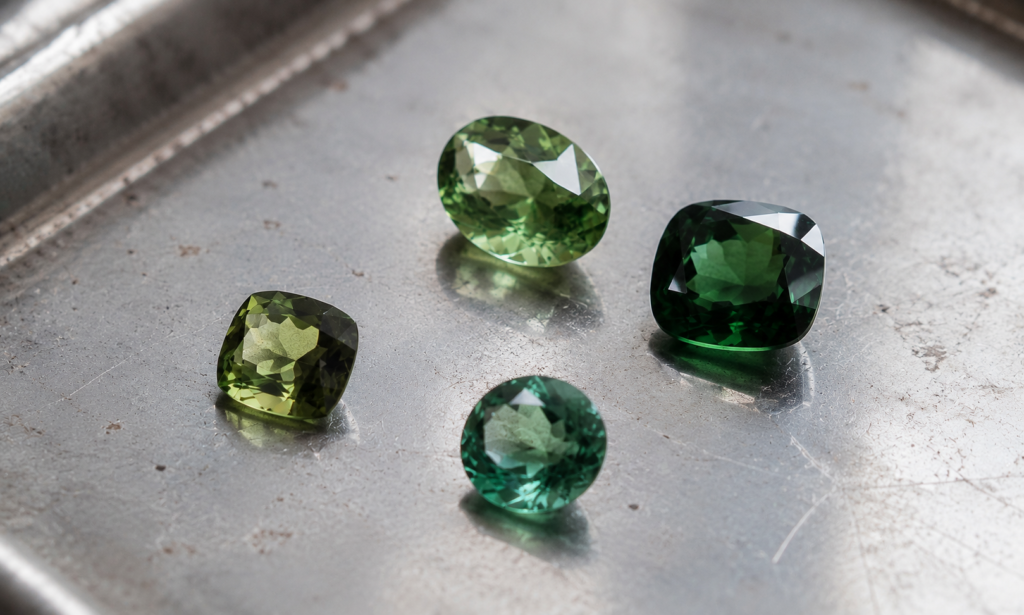
Colour · Zircon
Green Zircon: An Unexpected Side of Zircon
Green zircon reveals an unexpected side of the mineral, where colour can intersect with crystal structure, radiation history, geological time and the distinctive way zircon handles light.
Read Article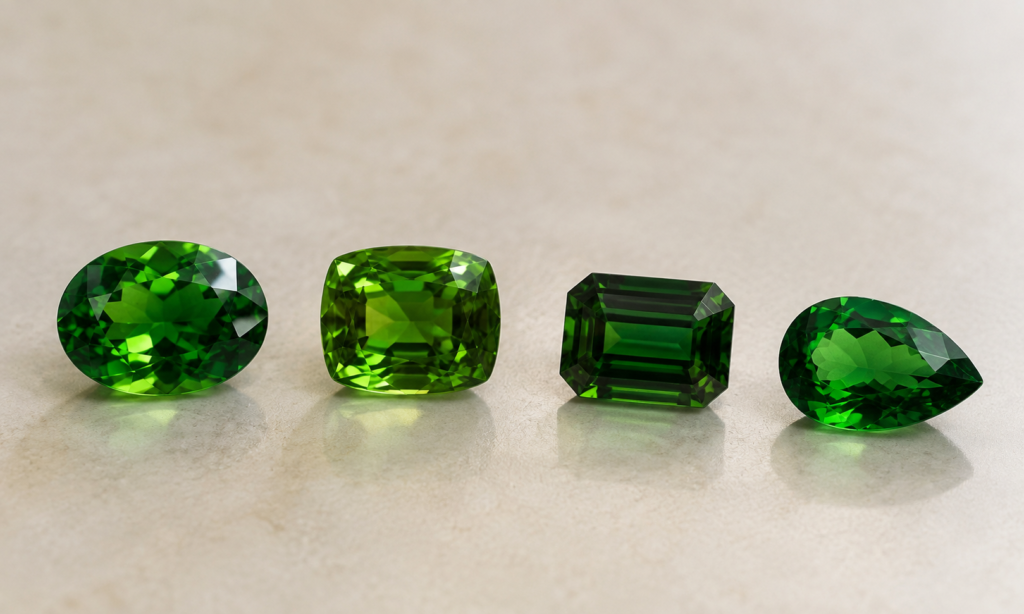
Colour · Tourmaline
Chrome Tourmaline: A Different Kind of Green
Chrome tourmaline is known for intensely saturated green, but its story is more complex than its name suggests—bringing together chromium, vanadium, a different part of the tourmaline family and distinctive geology.
Read Article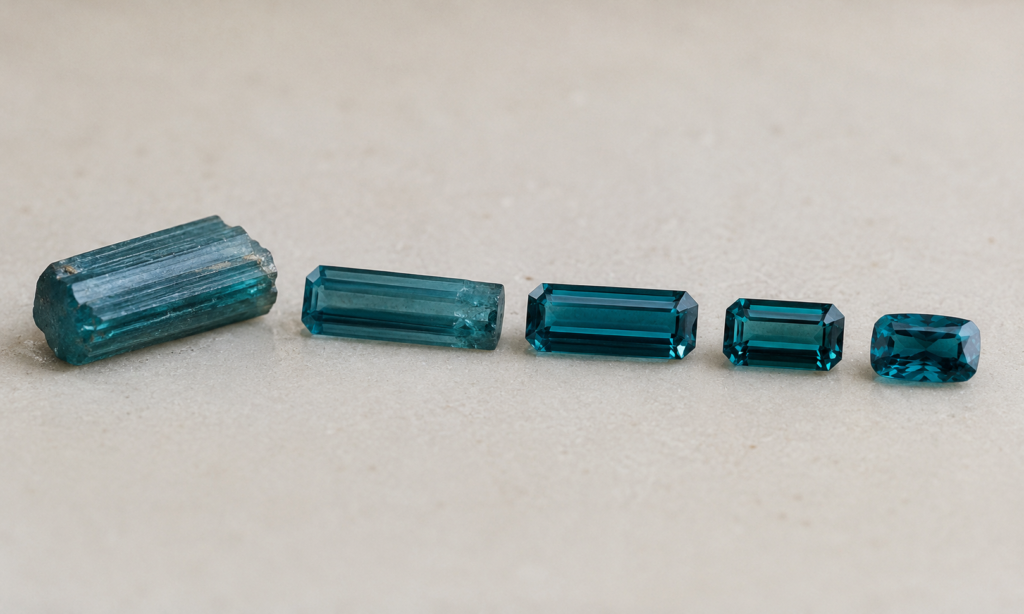
Colour · Tourmaline
Indicolite: The Blue Side of Tourmaline
Indicolite reveals a different side of blue tourmaline: iron-related colour that can range from violetish blue to greenish blue, shaped as much by depth and direction as by hue itself.
Read Article
Colour · Tourmaline
Rubellite: When Does Pink Tourmaline Become Rubellite?
Rubellite sits at the richer end of tourmaline’s pink-to-red spectrum, but the boundary is not universally fixed. Understanding the name means understanding colour, trade terminology and the individual stone.
Read Article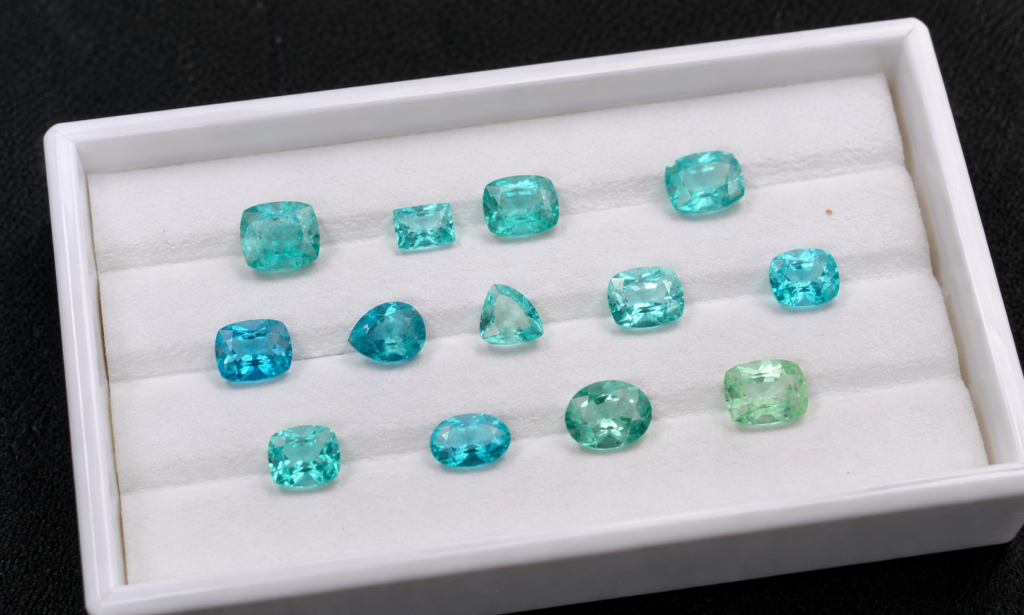
Colour · Tourmaline
Paraíba Tourmaline: What Makes Its Colour So Distinctive?
Paraíba tourmaline is famous for vivid blue-to-green colour often described as neon or electric. Its distinctive appearance begins with copper-related chemistry, but it is not one shade or one geographic origin.
Read Article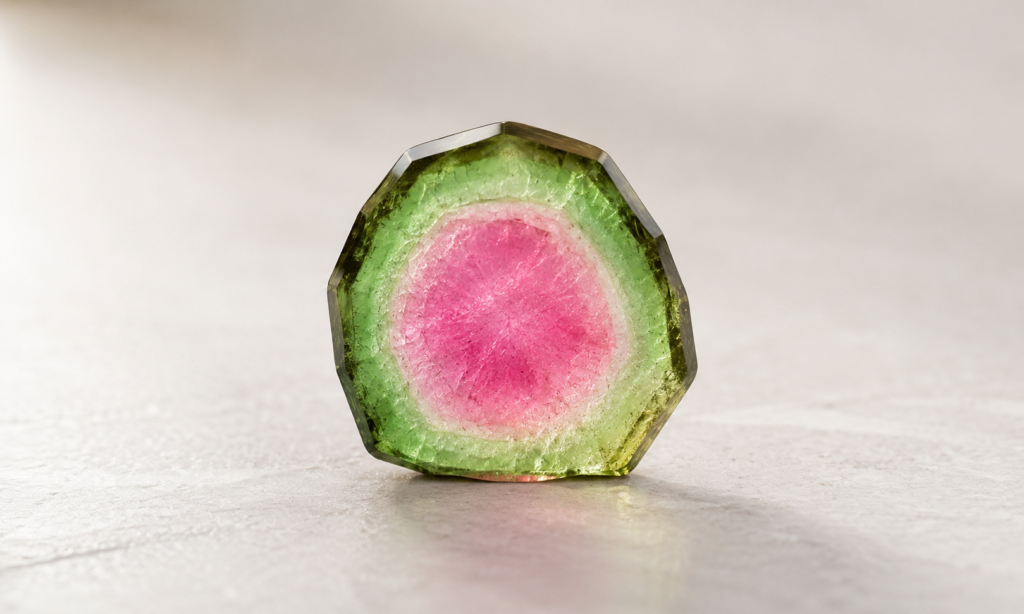
Colour · Tourmaline
Watermelon Tourmaline: How Nature Creates Its Famous Colour Zoning
Watermelon tourmaline is famous for its pink centre and green outer zoning. The pattern is a visible record of one crystal growing outward through changing chemical conditions.
Read Article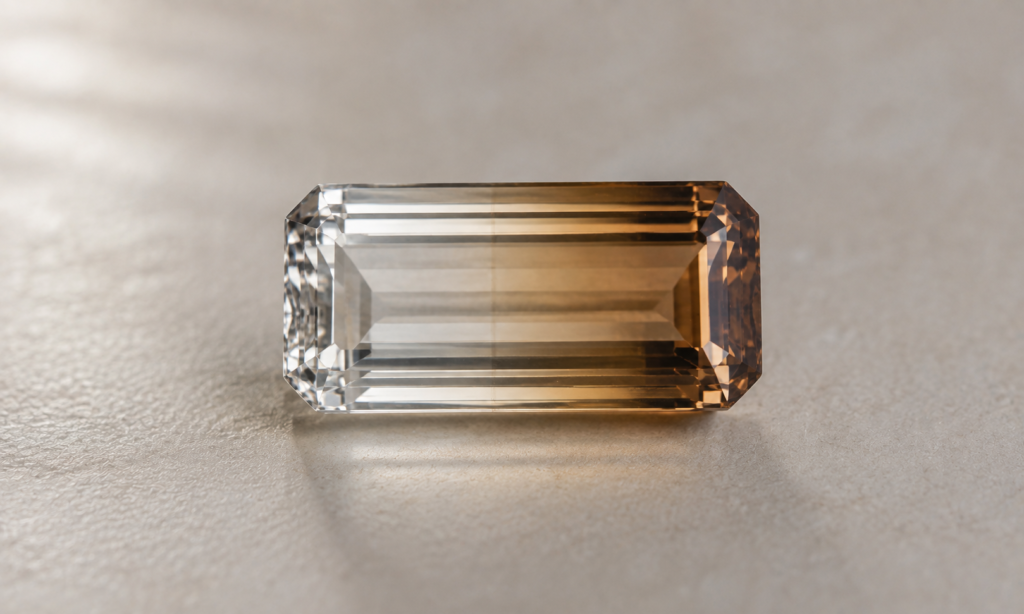
Colour · Tourmaline
Bi-Colour Tourmaline: Two Colours, One Gemstone
Bi-colour tourmaline can preserve two distinct colours within one continuous crystal. Its colour boundary can be a visible record of changing chemistry during crystal growth.
Read Article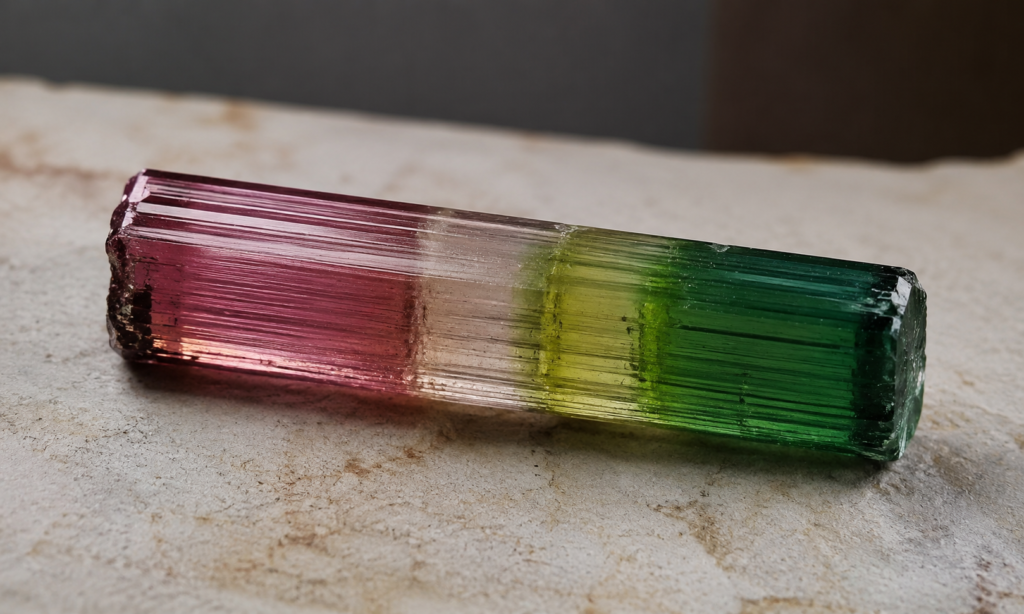
Colour · Tourmaline
Why Does Tourmaline Come in So Many Colours?
Tourmaline can appear in almost every colour because its crystal structure allows extraordinary chemical variation—and that chemistry can change while a single crystal is growing.
Read Article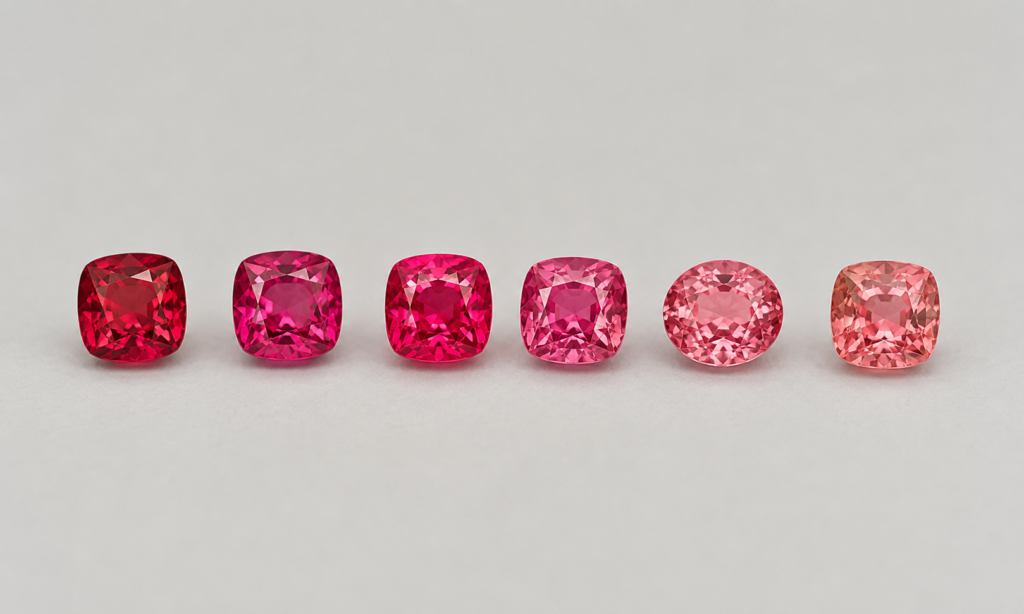
Colour · Spinel
Jedi Spinel: What Does the Trade Name Really Mean?
Jedi spinel is associated with some of the most vivid red-to-pink spinel in the market: saturated, bright, lively and without a heavy dark face-up appearance. Learn where the name came from, how the trade uses it, and how the more defined AIGS Type Jedi framework differs.
Read Article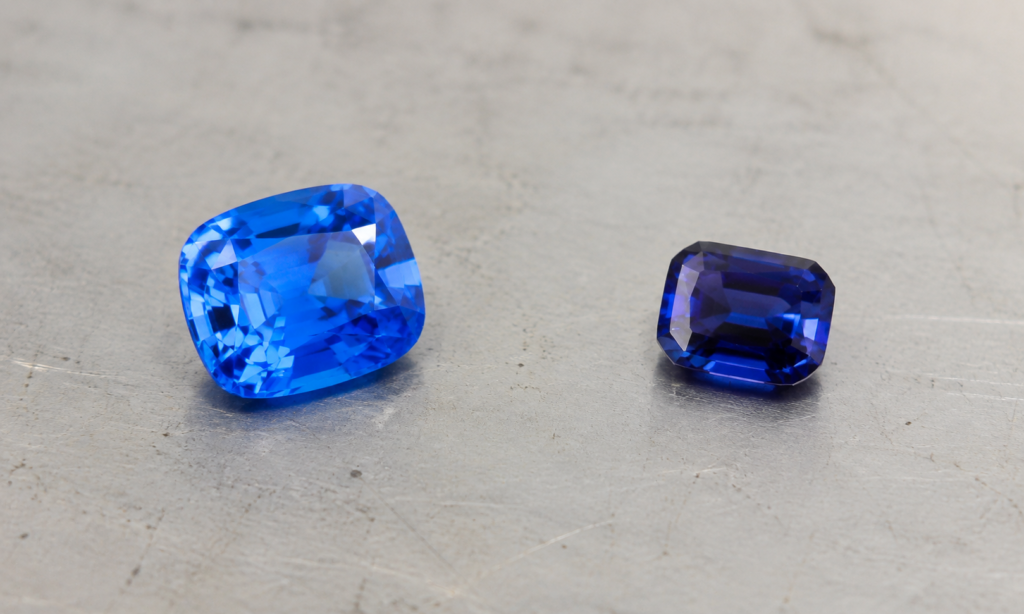
Colour · Spinel
Cobalt Spinel: What Does “Cobalt” Actually Mean?
Cobalt spinel is more specific than a blue spinel that simply contains cobalt. Learn how cobalt creates blue in spinel, how iron modifies that colour, why Vietnam became important, and why laboratories consider colour, chemistry and spectroscopy together.
Read Article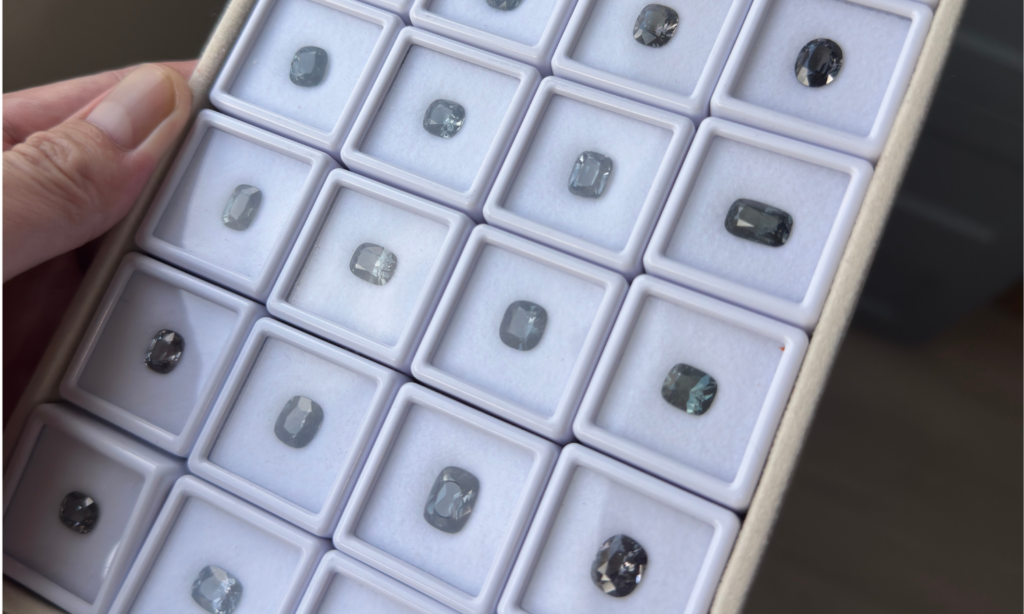
Colour · Spinel
Grey Spinel: Understanding Tone, Undertone and Character
Grey spinel is far more varied than one neutral shade. Learn how light-to-dark tone, blue or violet undertones, lighting, cut and metal context shape the character of grey spinel—and why there is no single best grey.
Read Article